Grand Chirchiq
Location:
Tashkent
Project year:
2021
Scale:
700 ha
Building area:
700 ha
Status:
Concept
The Chirchik River originates in the Tien Shan Mountains and flows into the Syr Darya. Settlements are drawn to it, and government moves along the river like precious stones. The jewel of this necklace is Tashkent, one of the most ancient and modern cities in Central Asia.
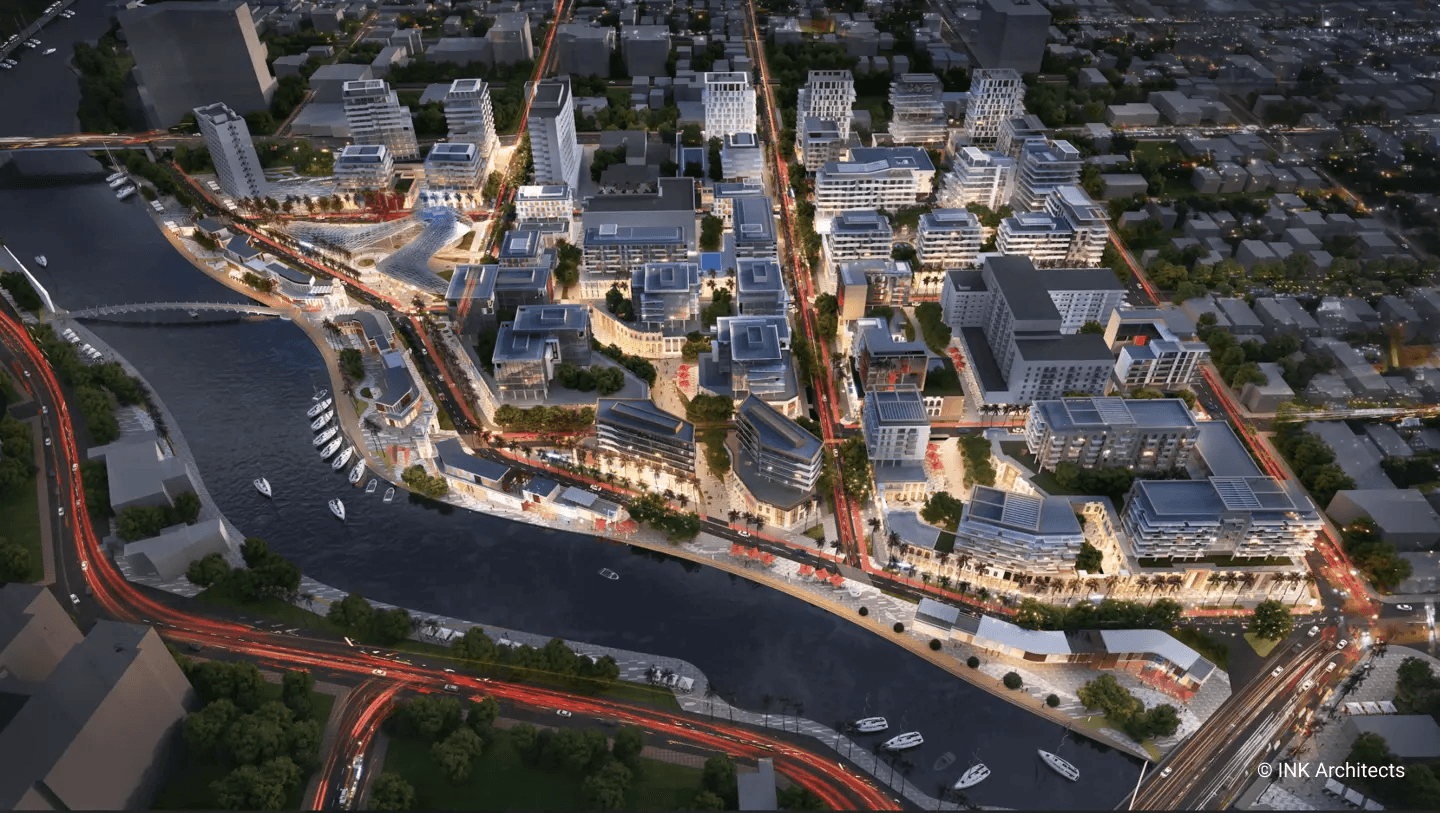
Here, along the river, in the place of quarries, oases, mahallas, iconic landmarks, and a rich landscape of symbolism are emerging, providing an opportunity to cultivate a new generation of talent and entrepreneurs and to fully realize Tashkent's tourism potential. These cities, their major transportation hubs, bring millions of visitors to cities and regions such as Khiva, the Fergana Valley, Samarkand, and Bukhara.
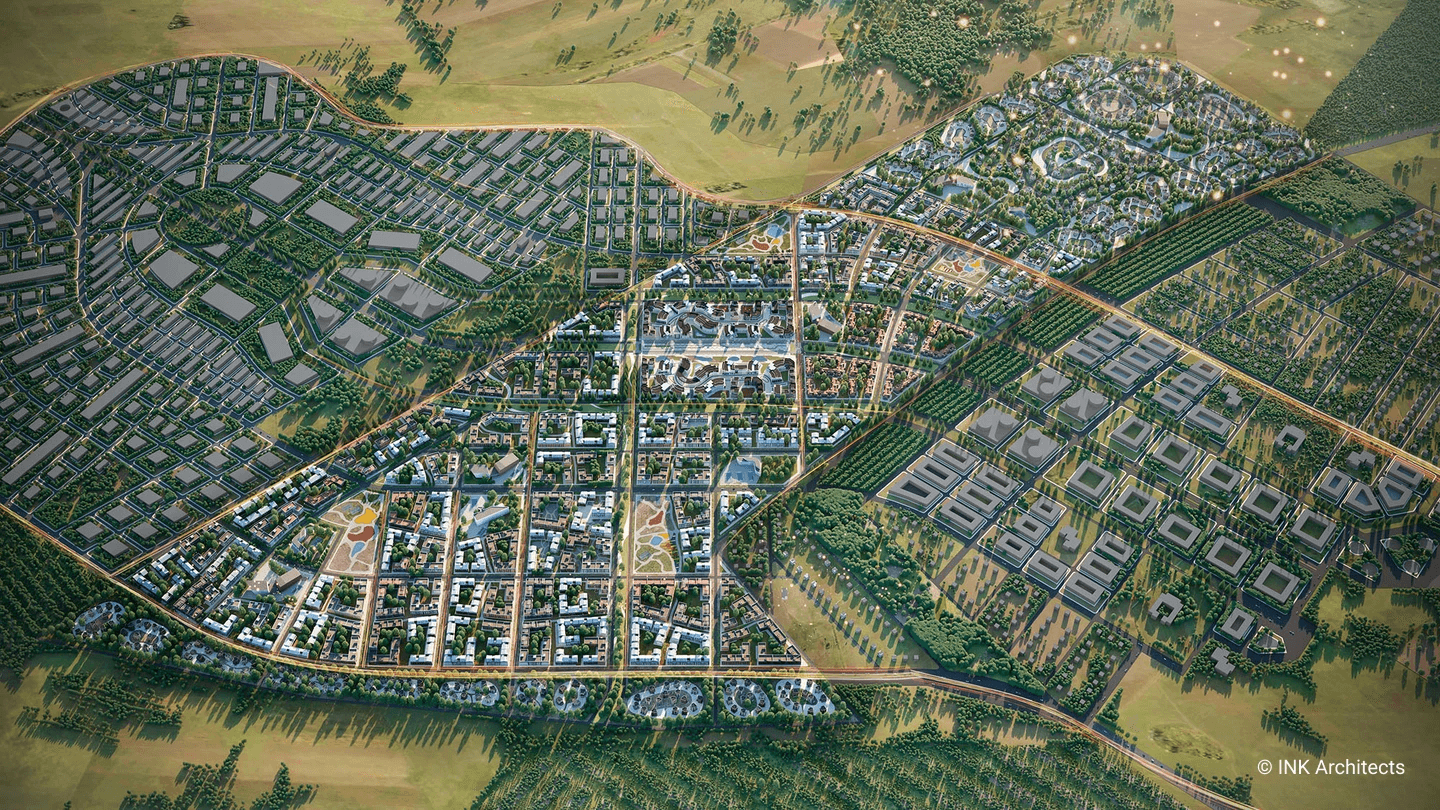
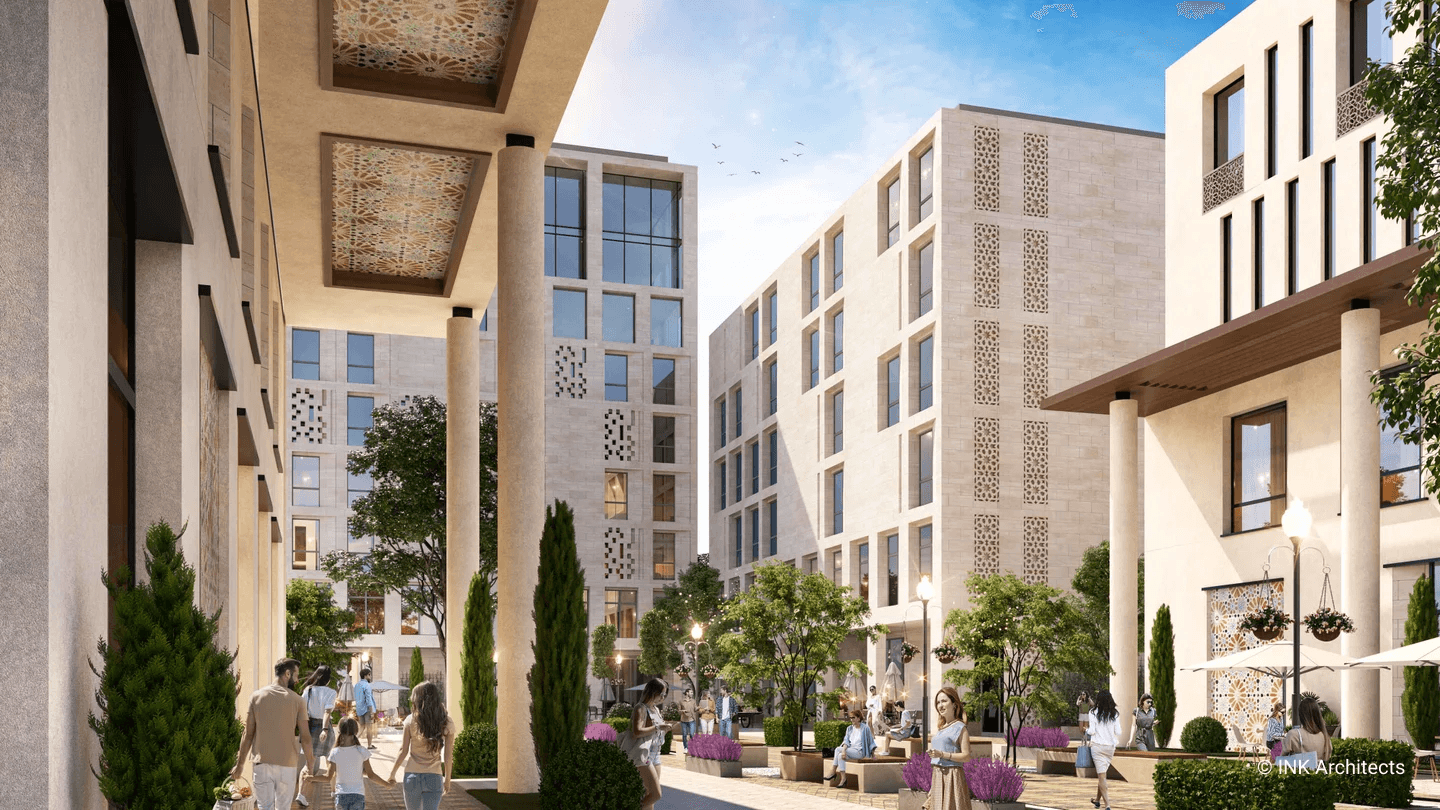
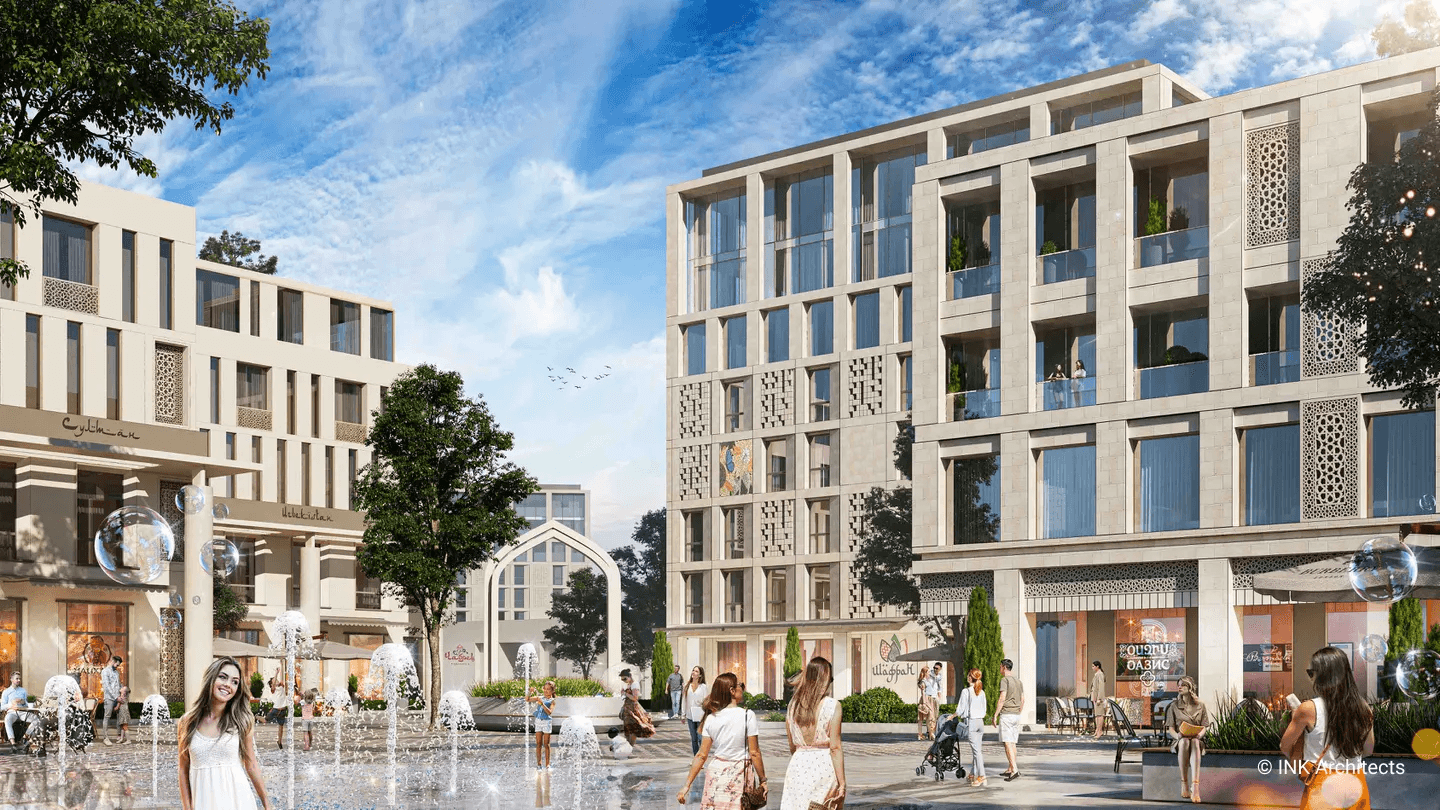
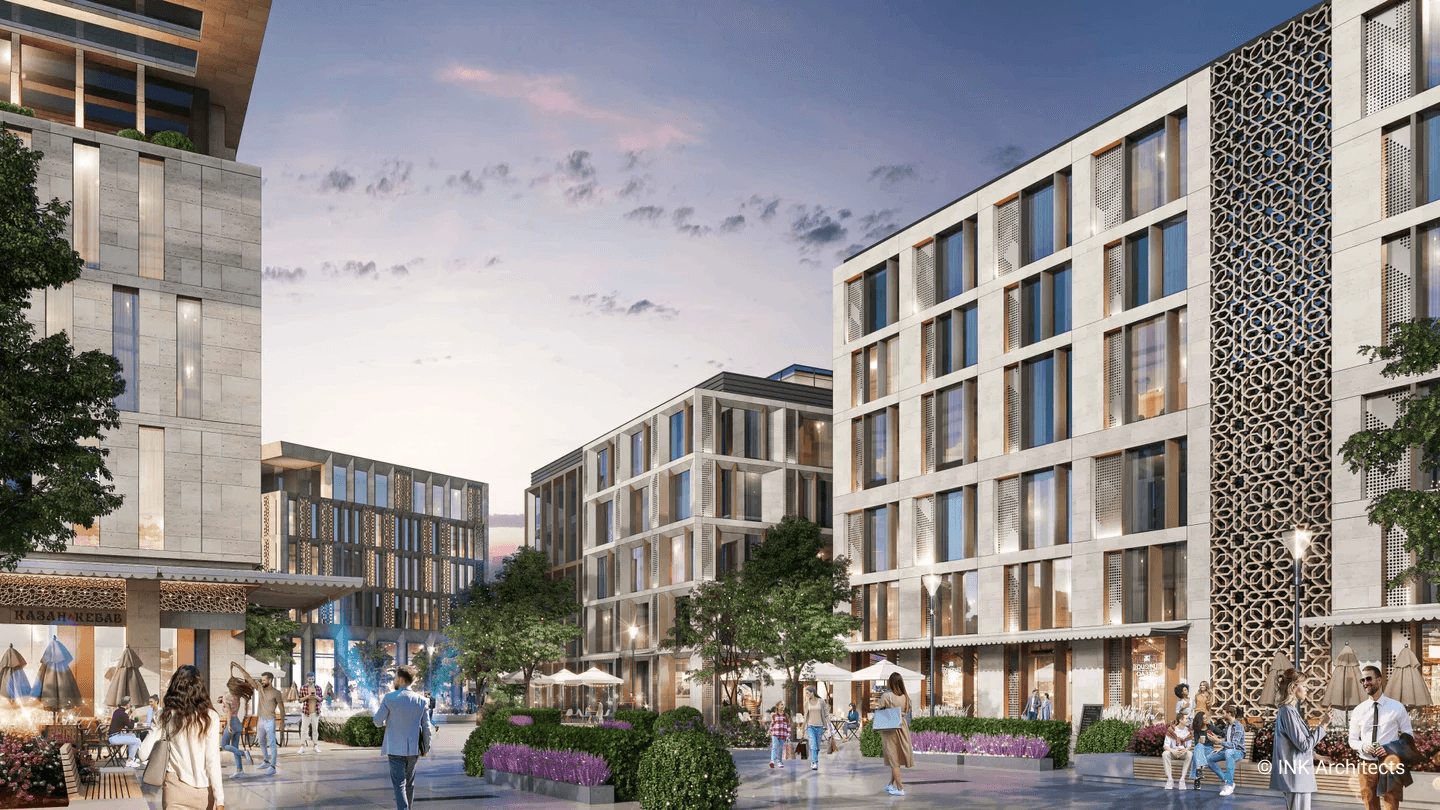
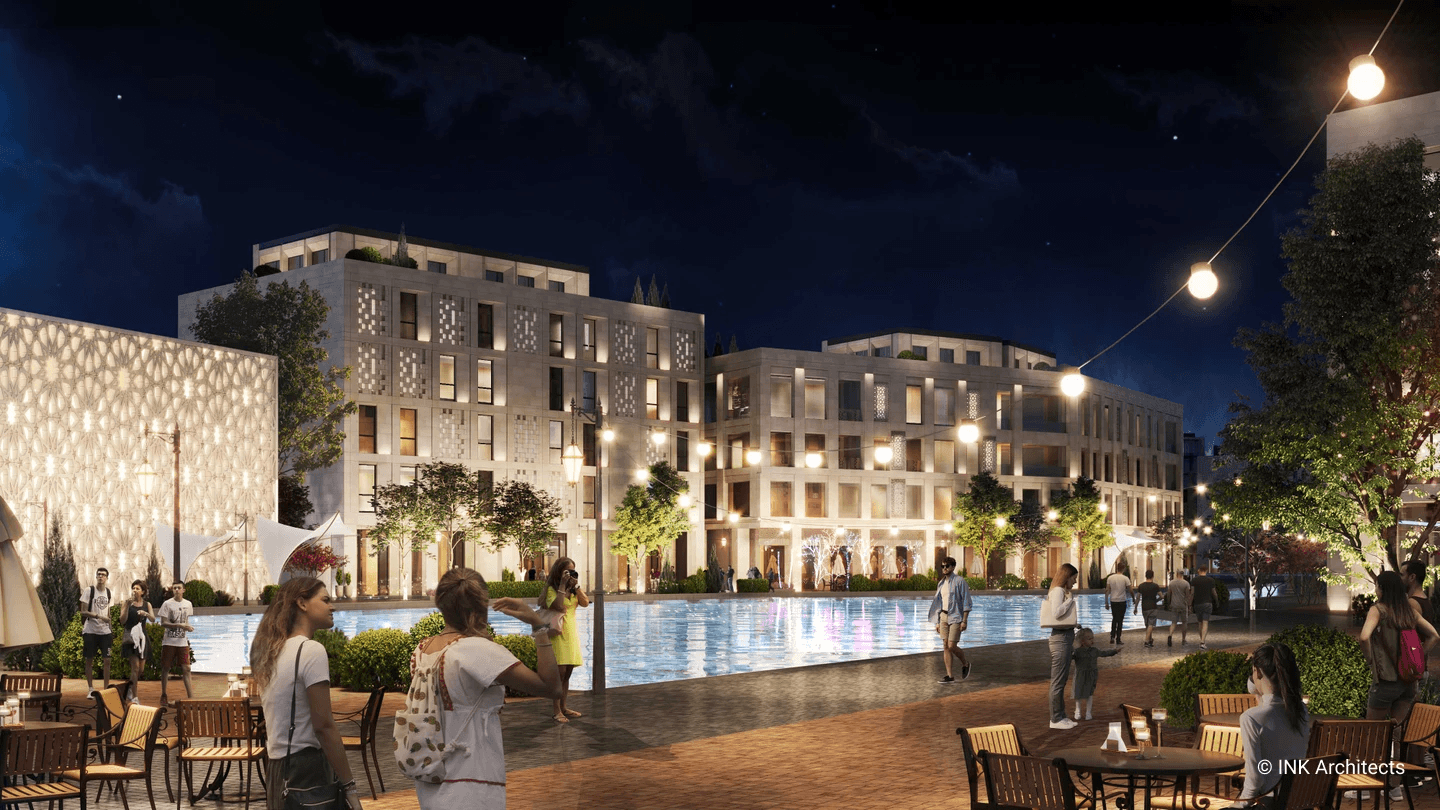
The fundamental goal of the master plan is to promote the spirit of Tashkent's ancient streets, with their abundance and diversity of flowers, colors, and cultural mosaics. The shapes of neighborhoods and curving, shady streets, the reinterpretation of historical architectural forms, and the incorporation of folk art—all this creates a unique fusion of modernity and antiquity, serving as a gateway to Central Asia.
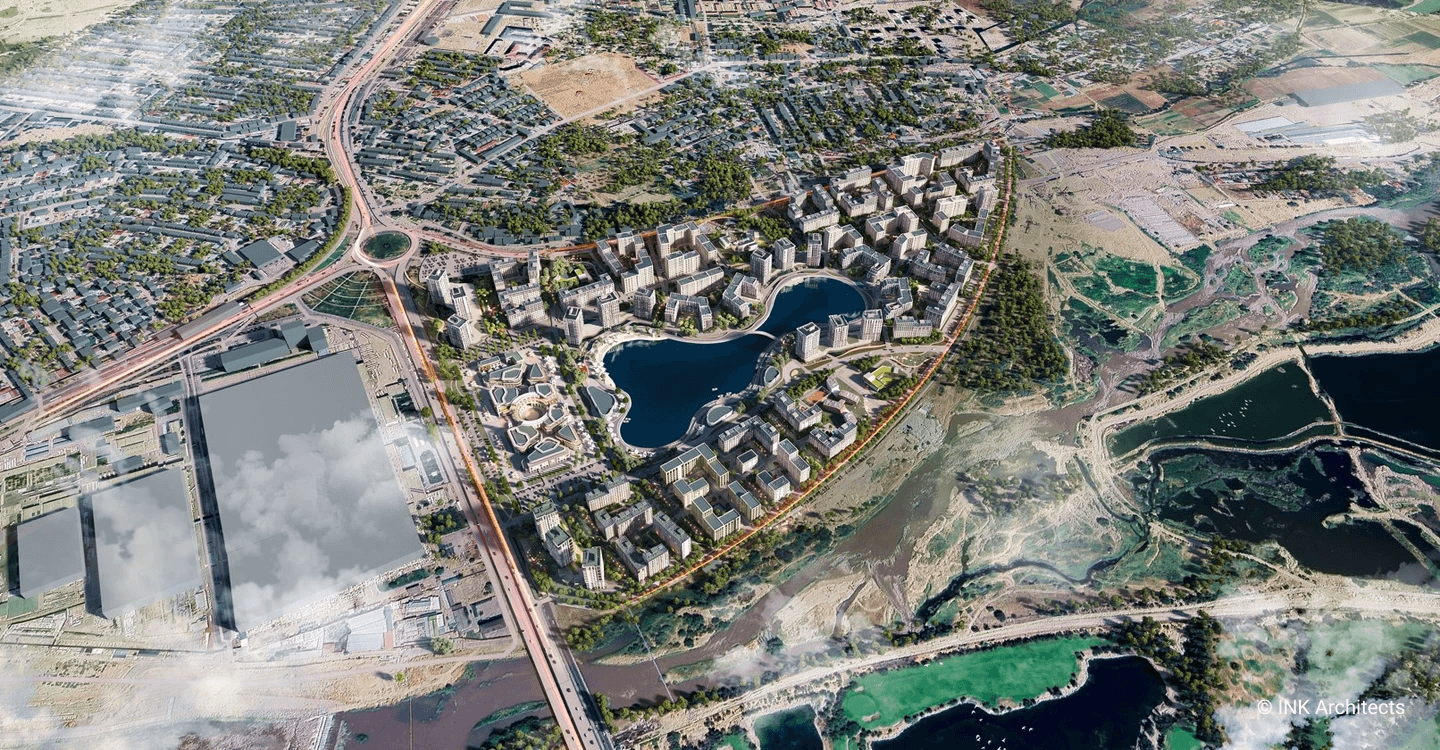
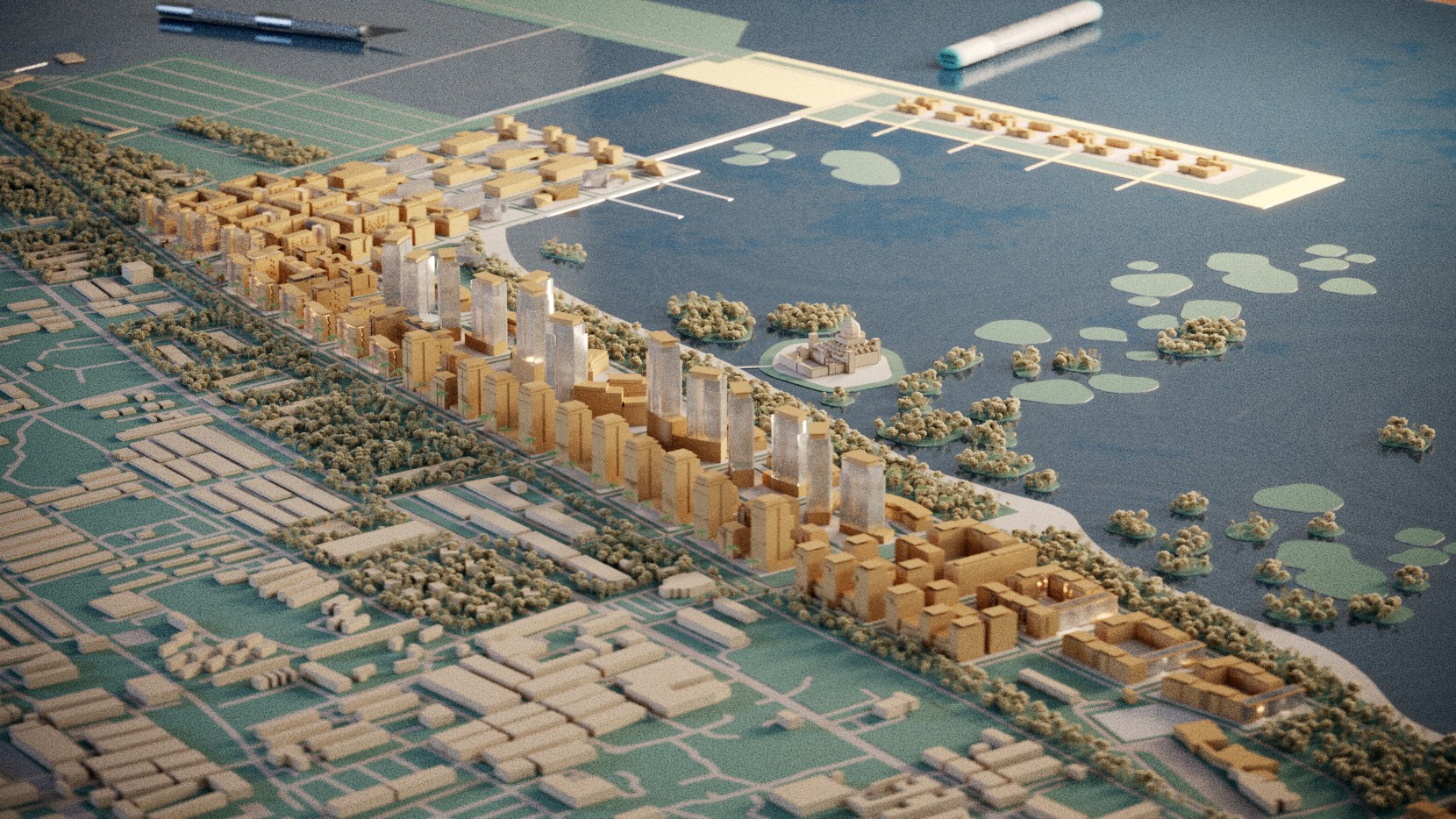
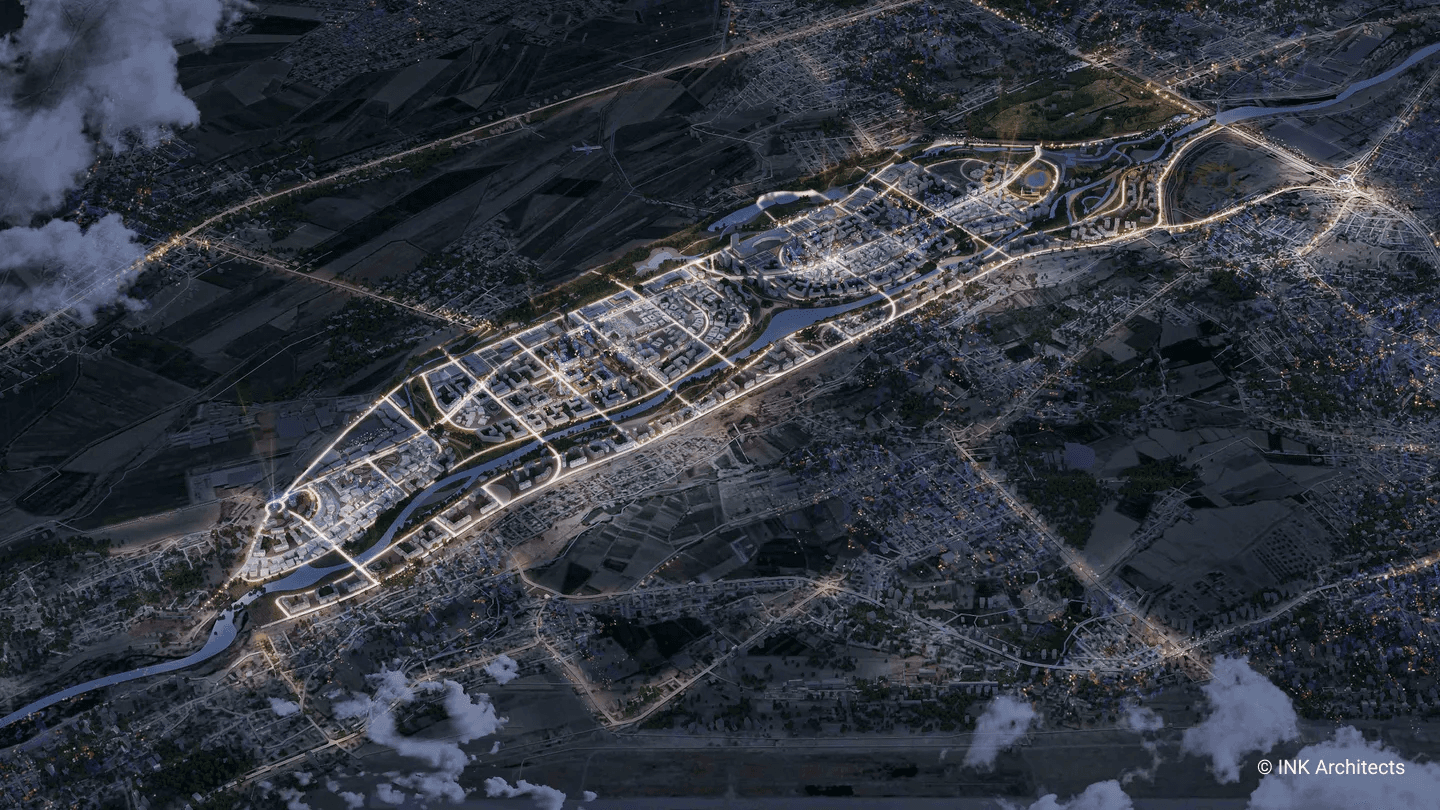
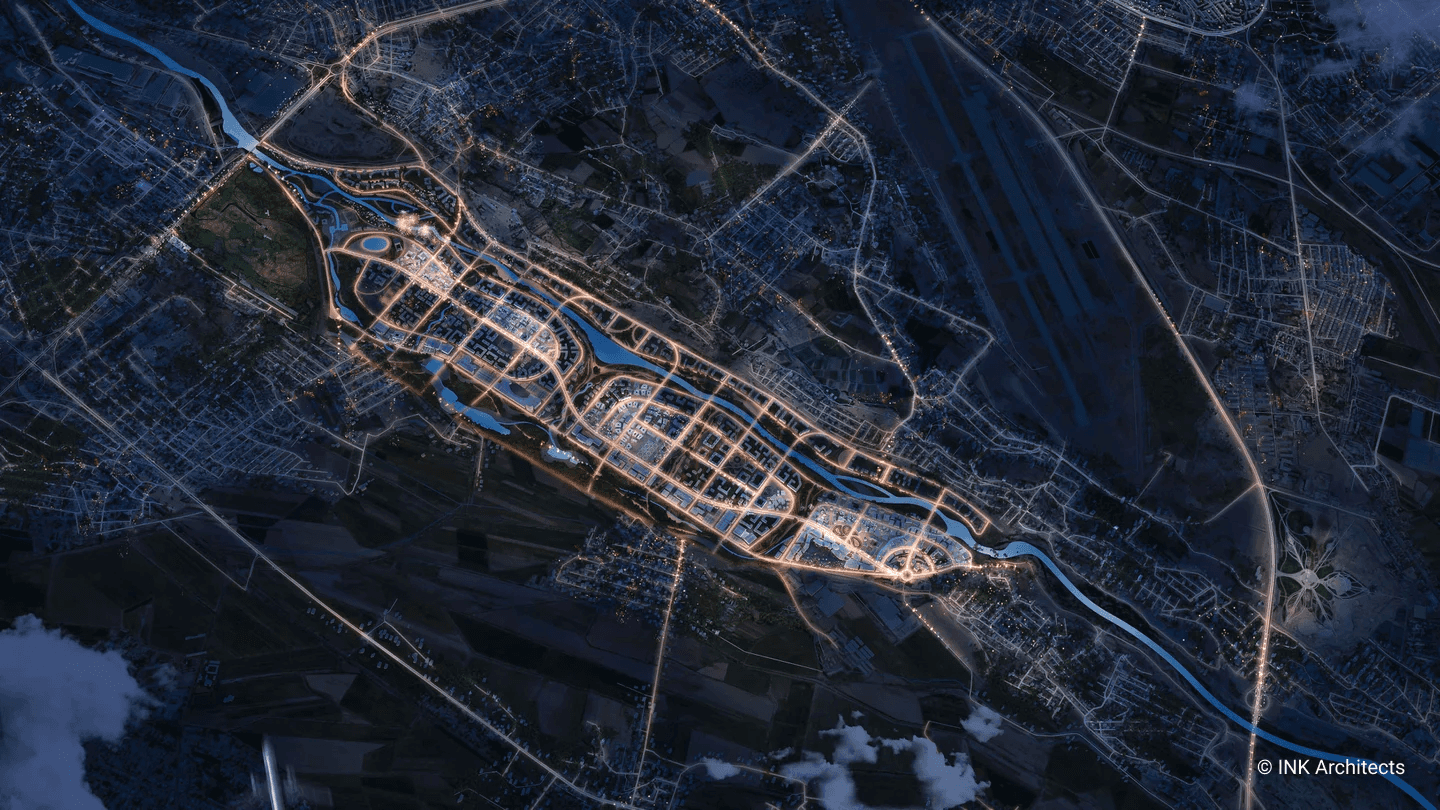
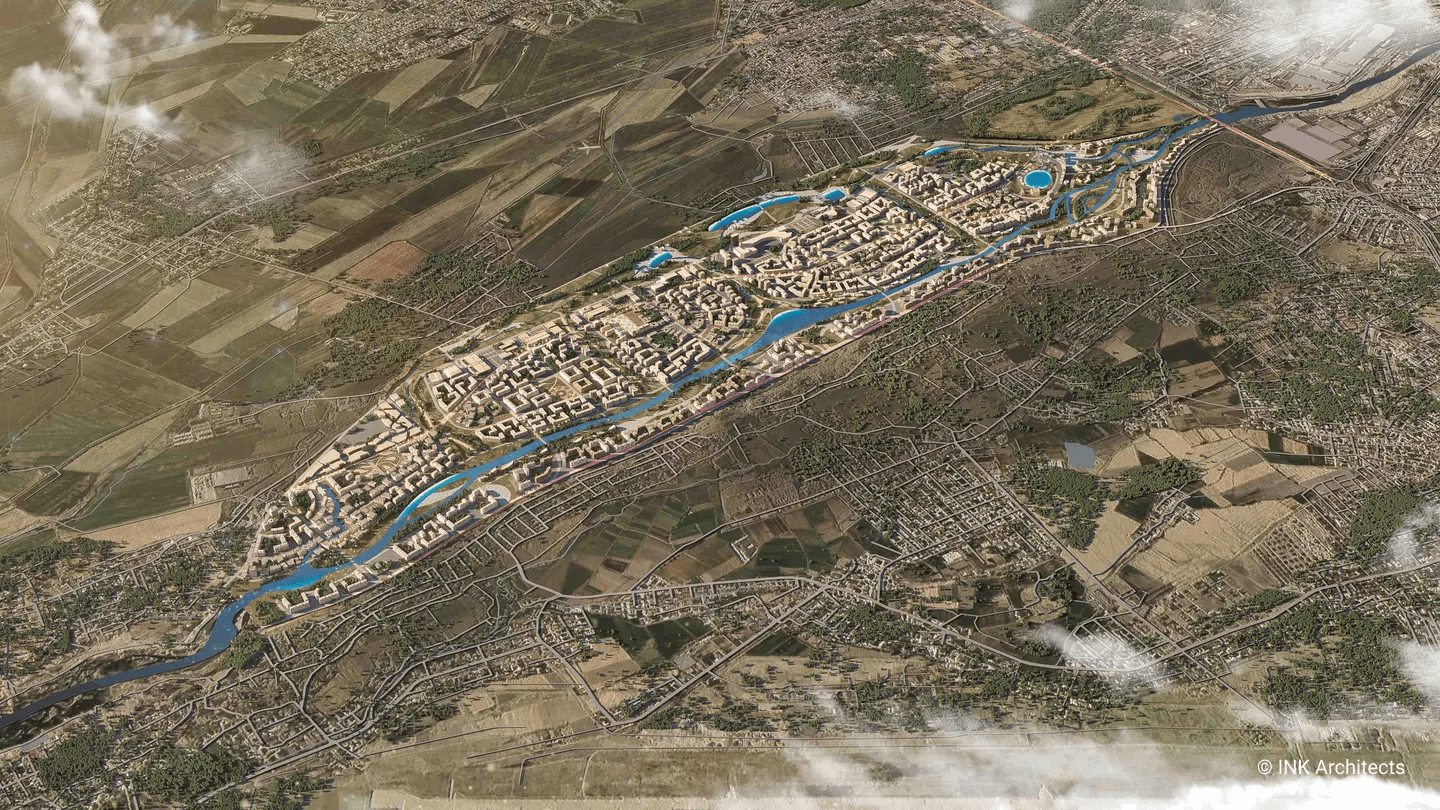
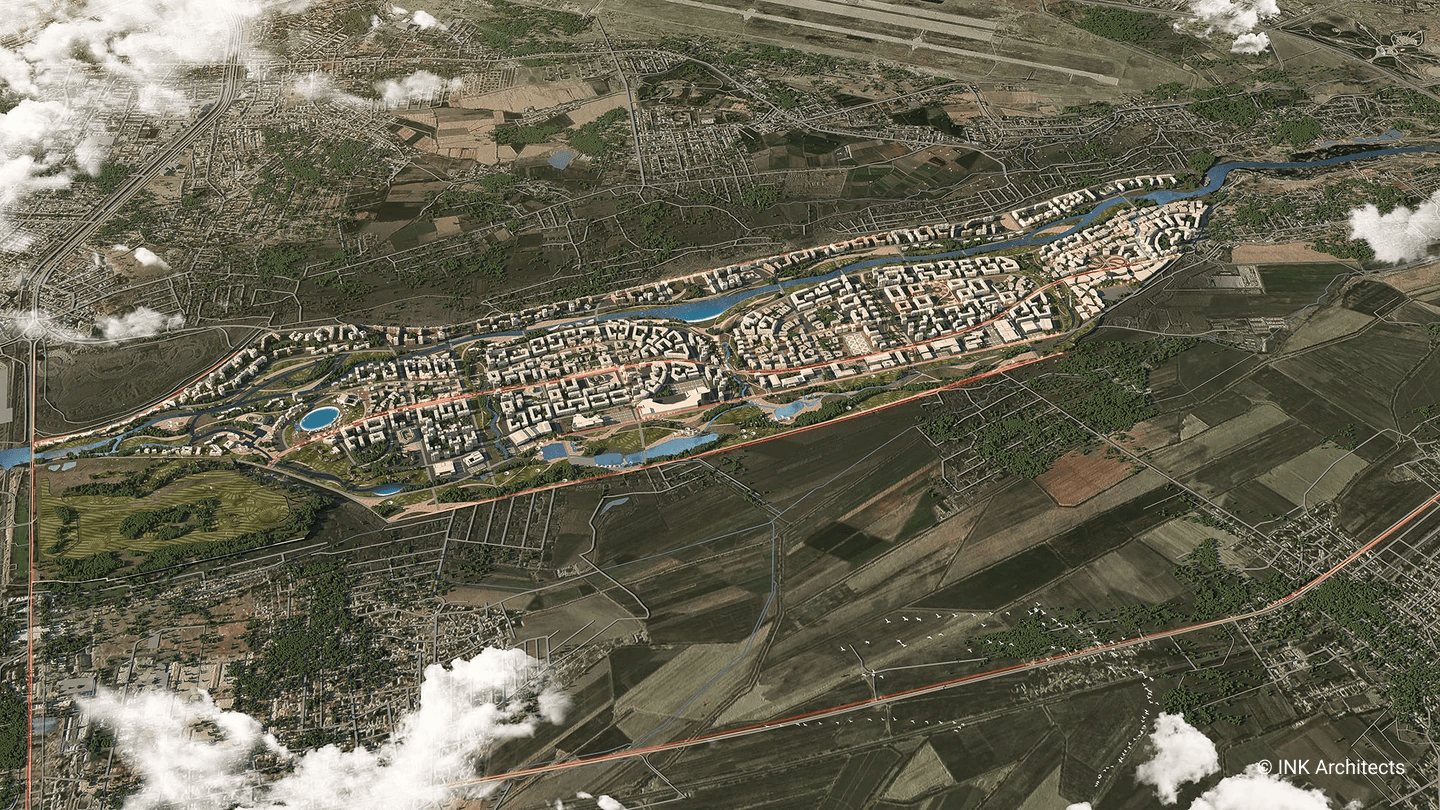
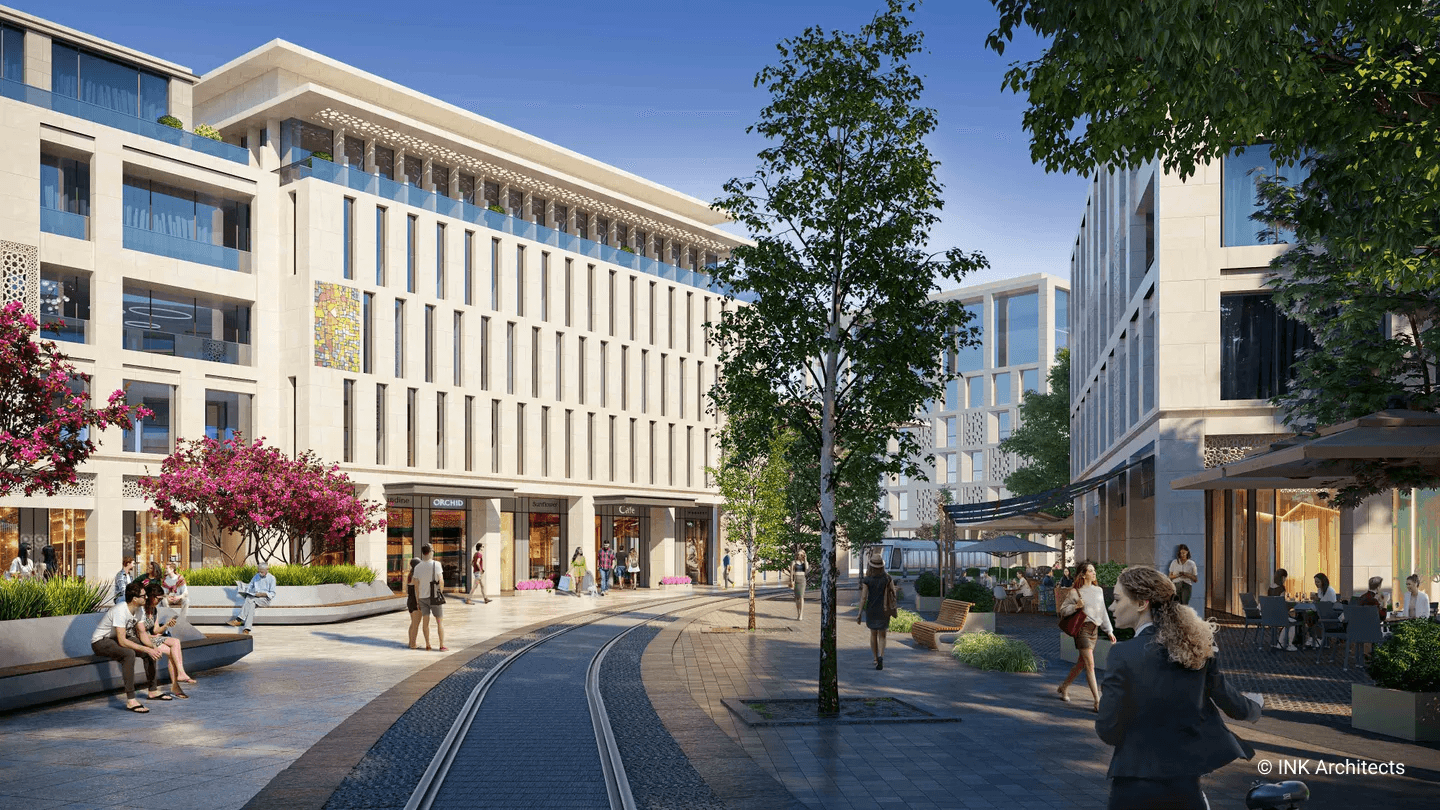
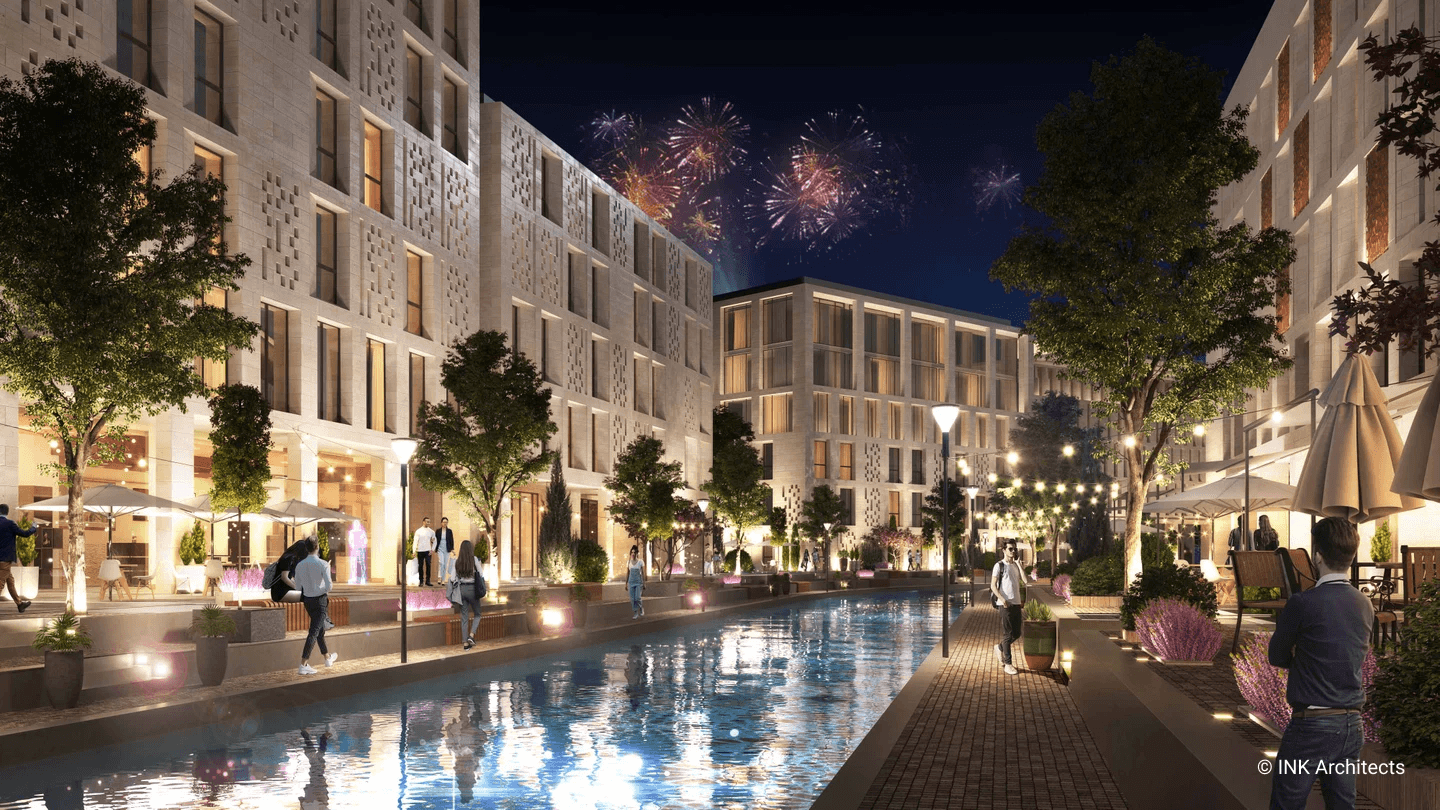
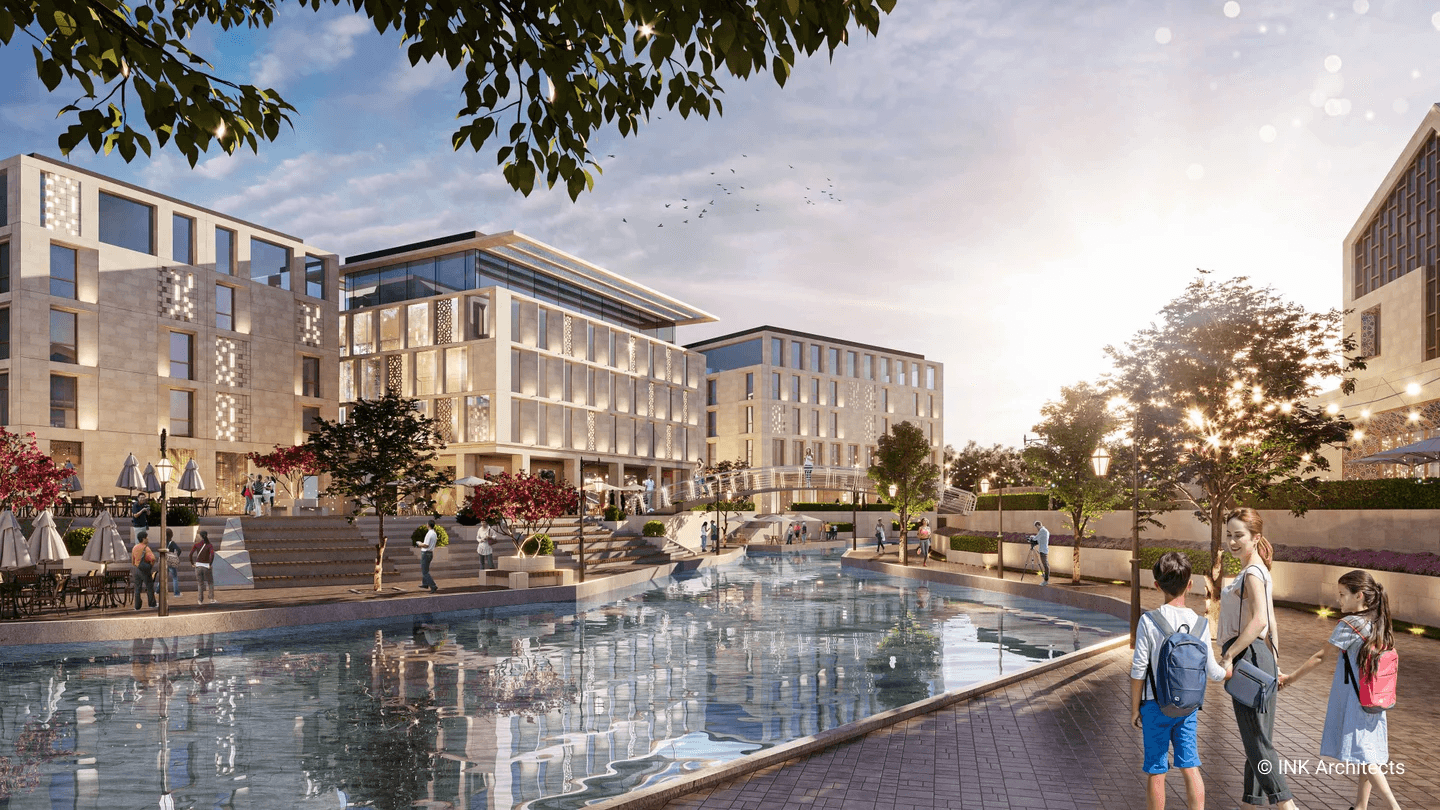
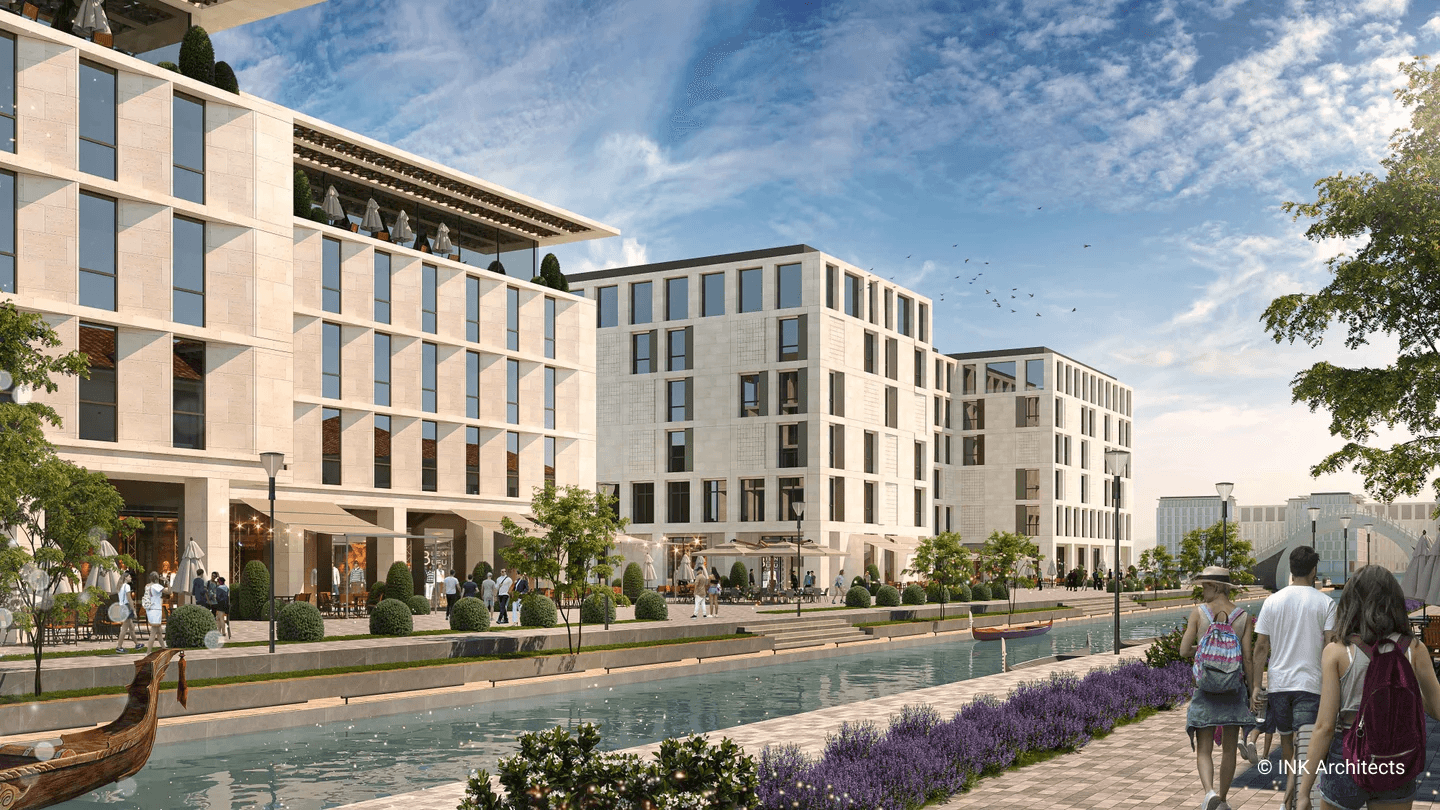
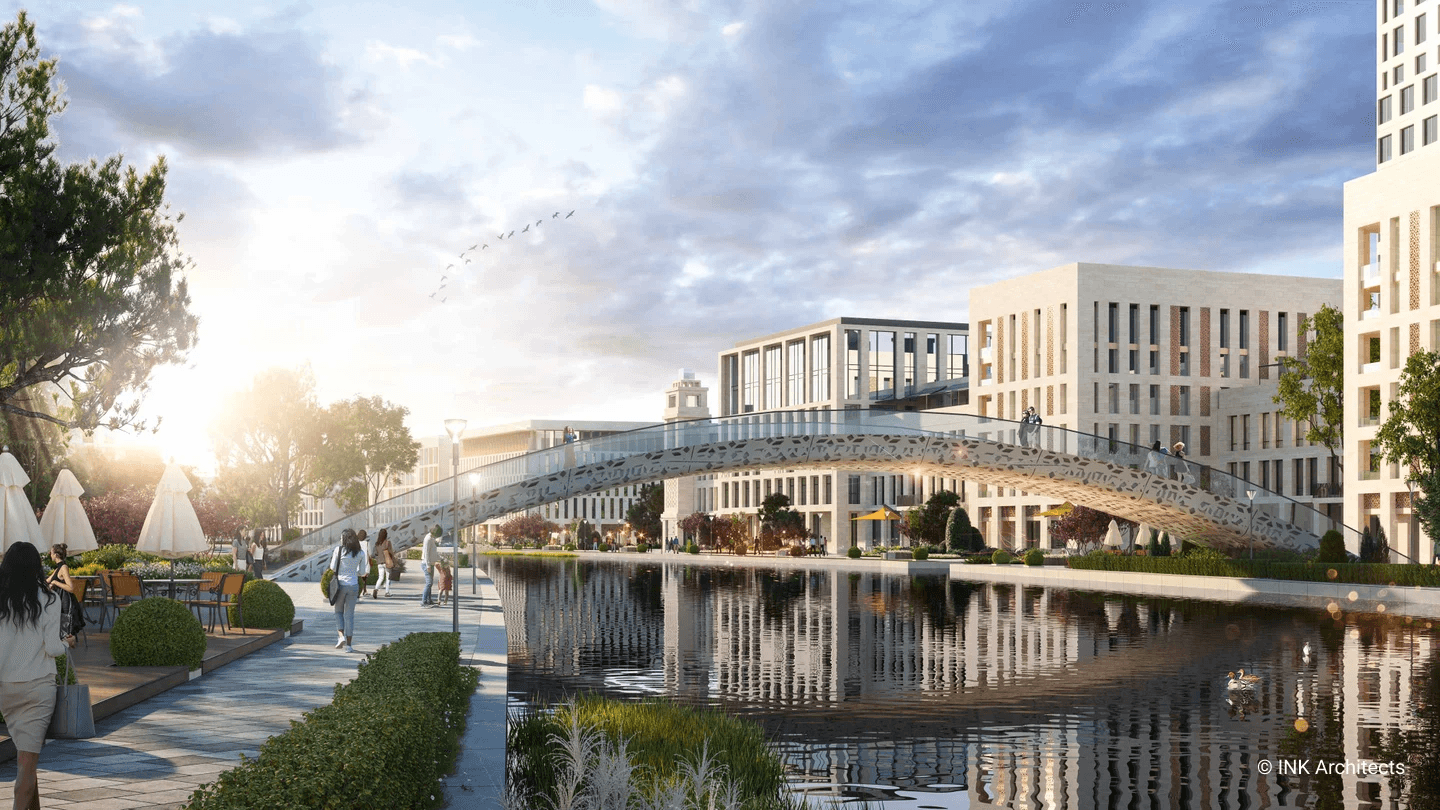
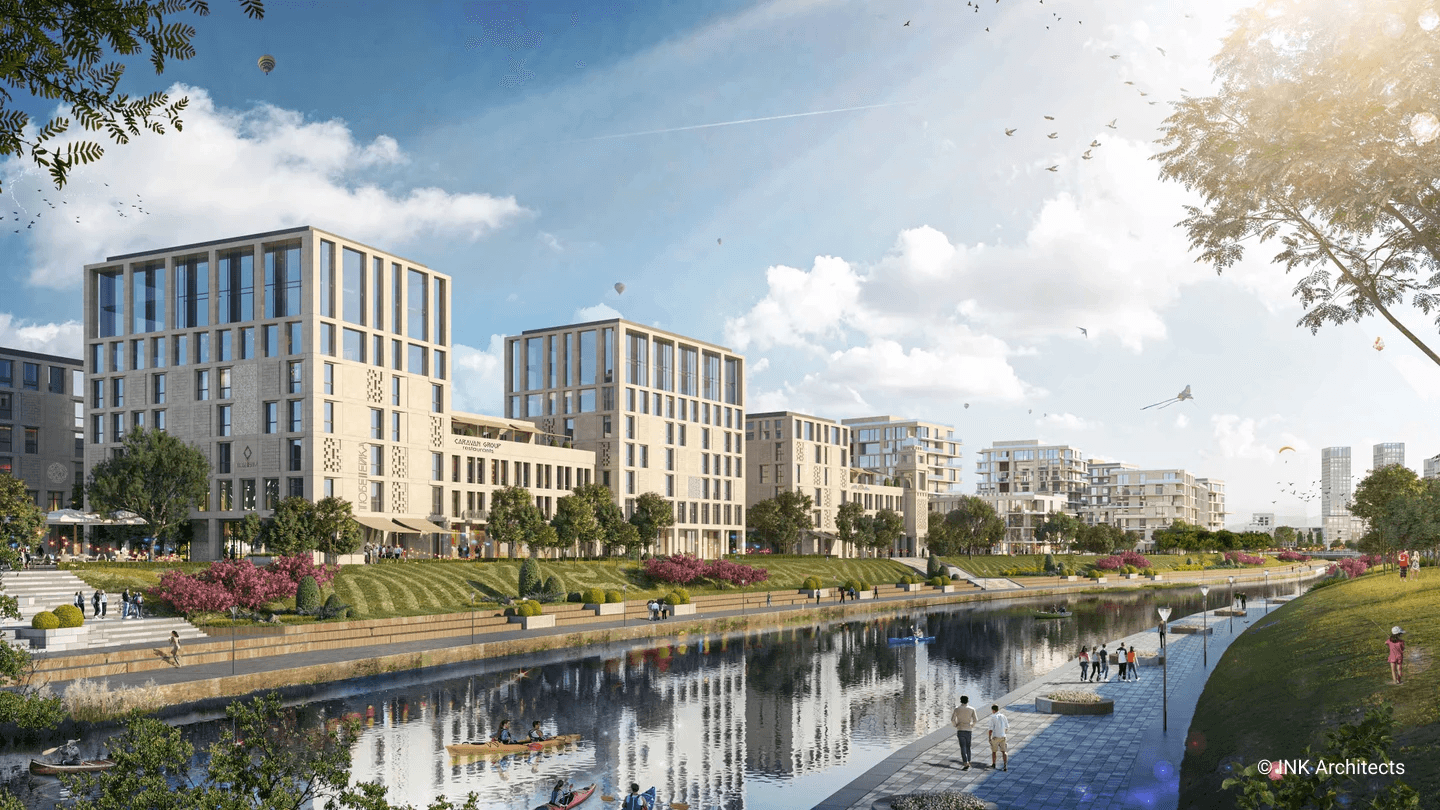
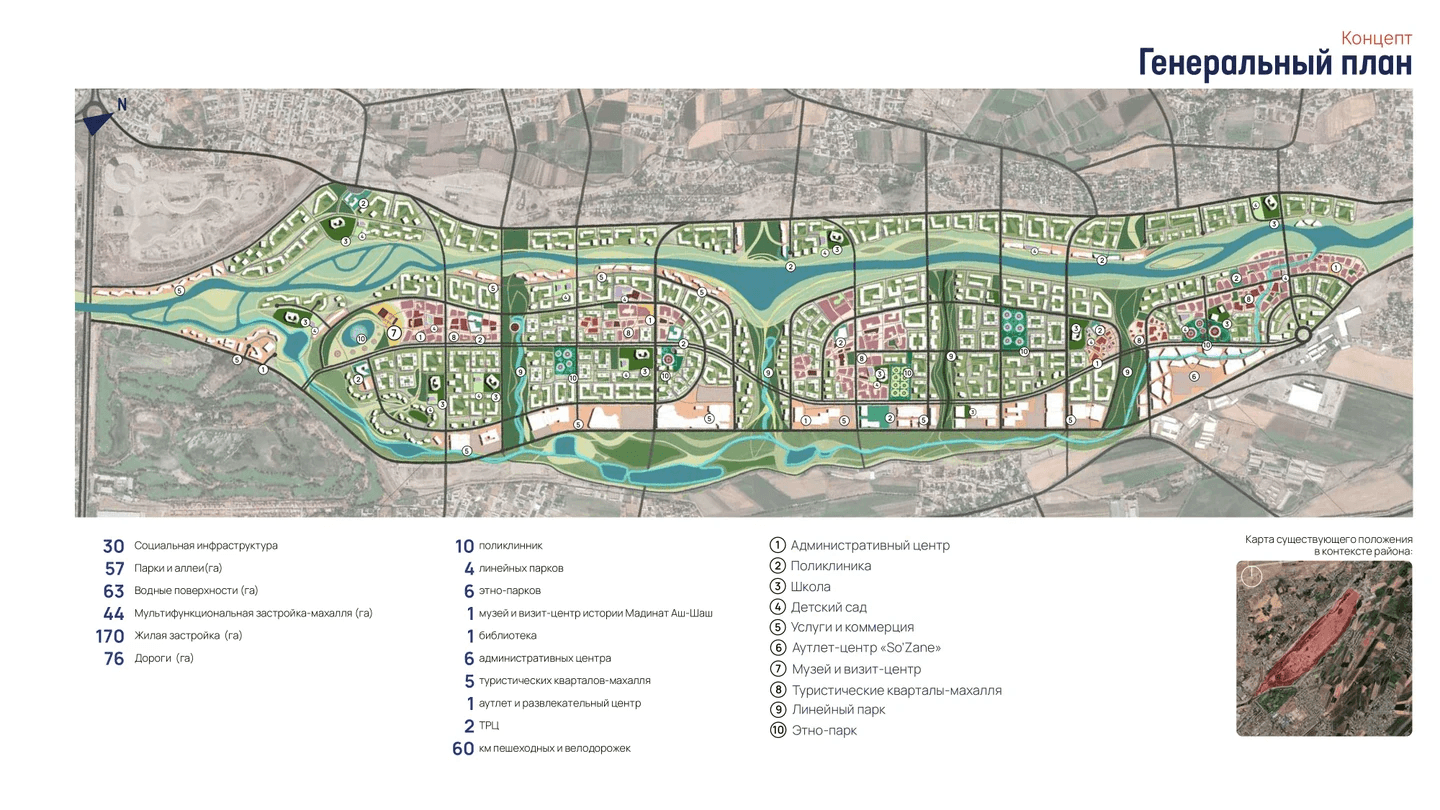
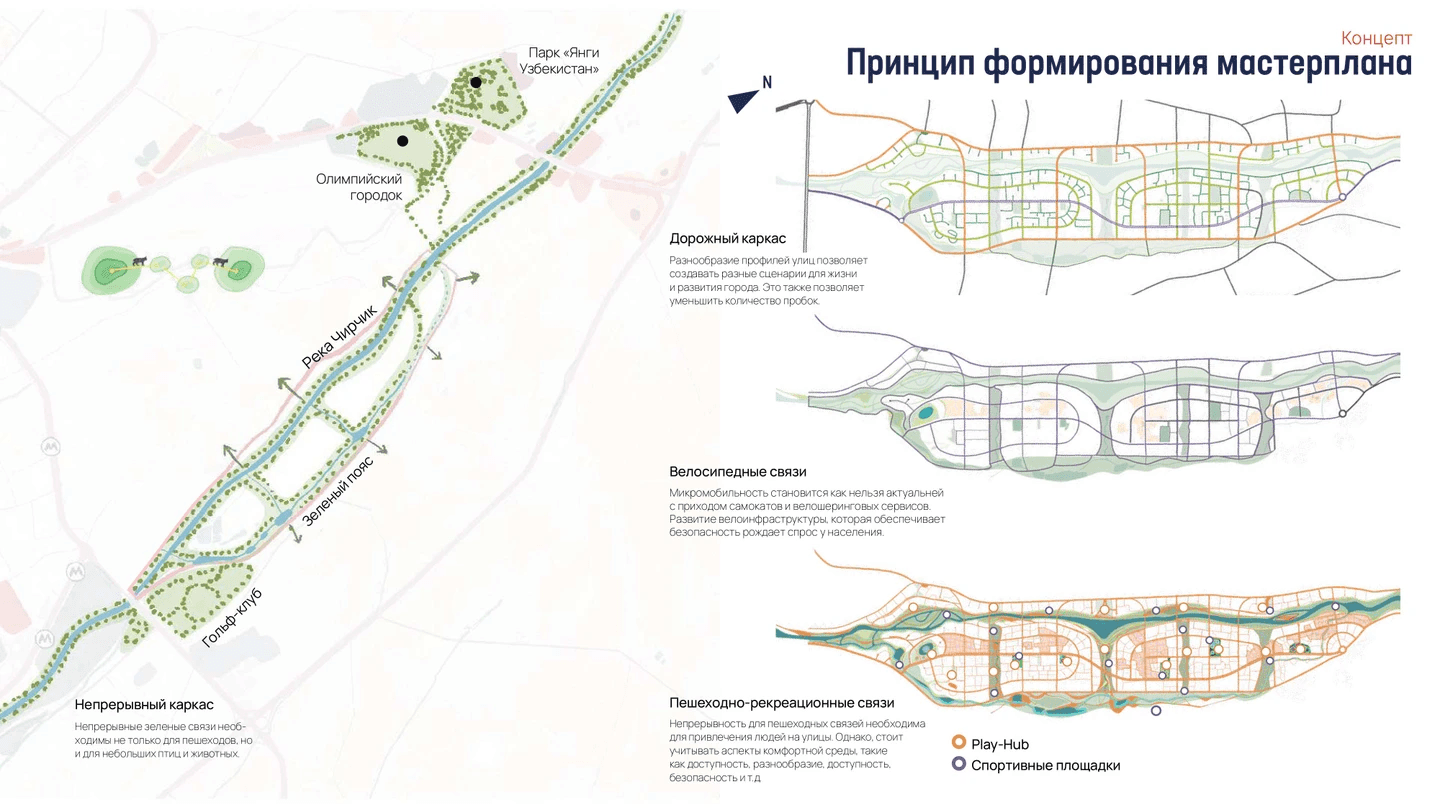
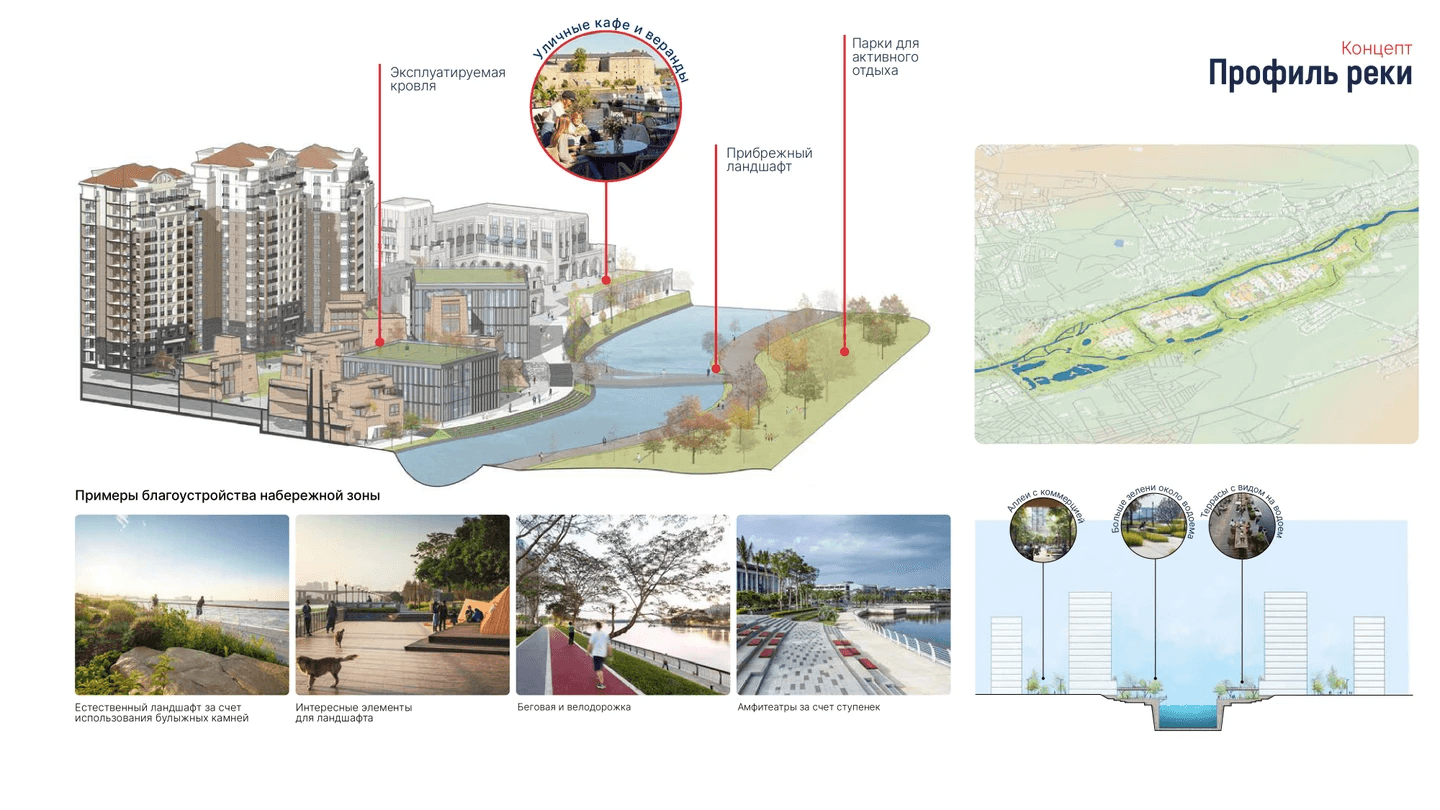
The Chirchik River will serve as the main pedestrian artery, starting from Yangi Park of Uzbekistan and heading toward new districts in the south of Tashkent. The existing shallow riverbed will be transformed into a natural green belt with ponds, connected to the river through park arteries.
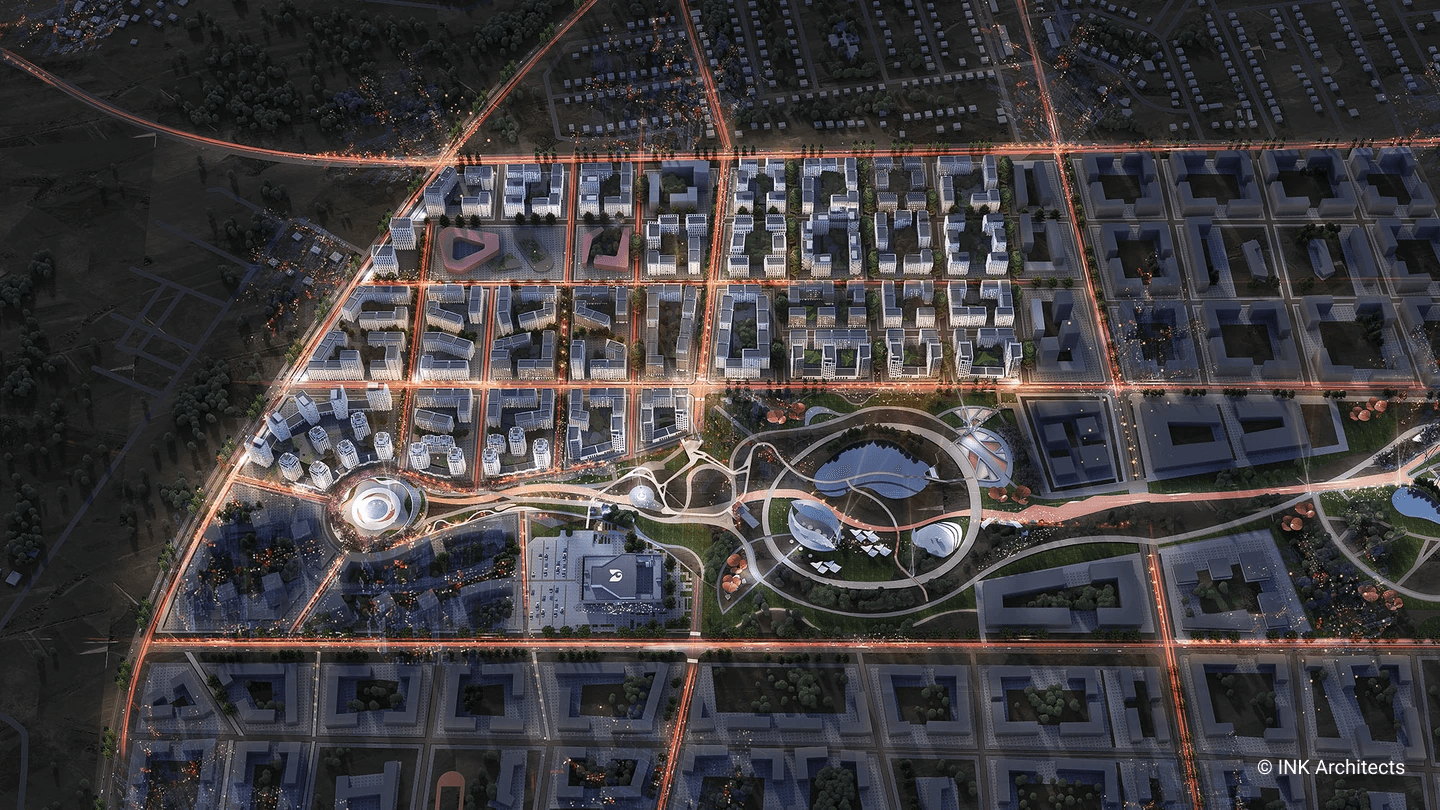
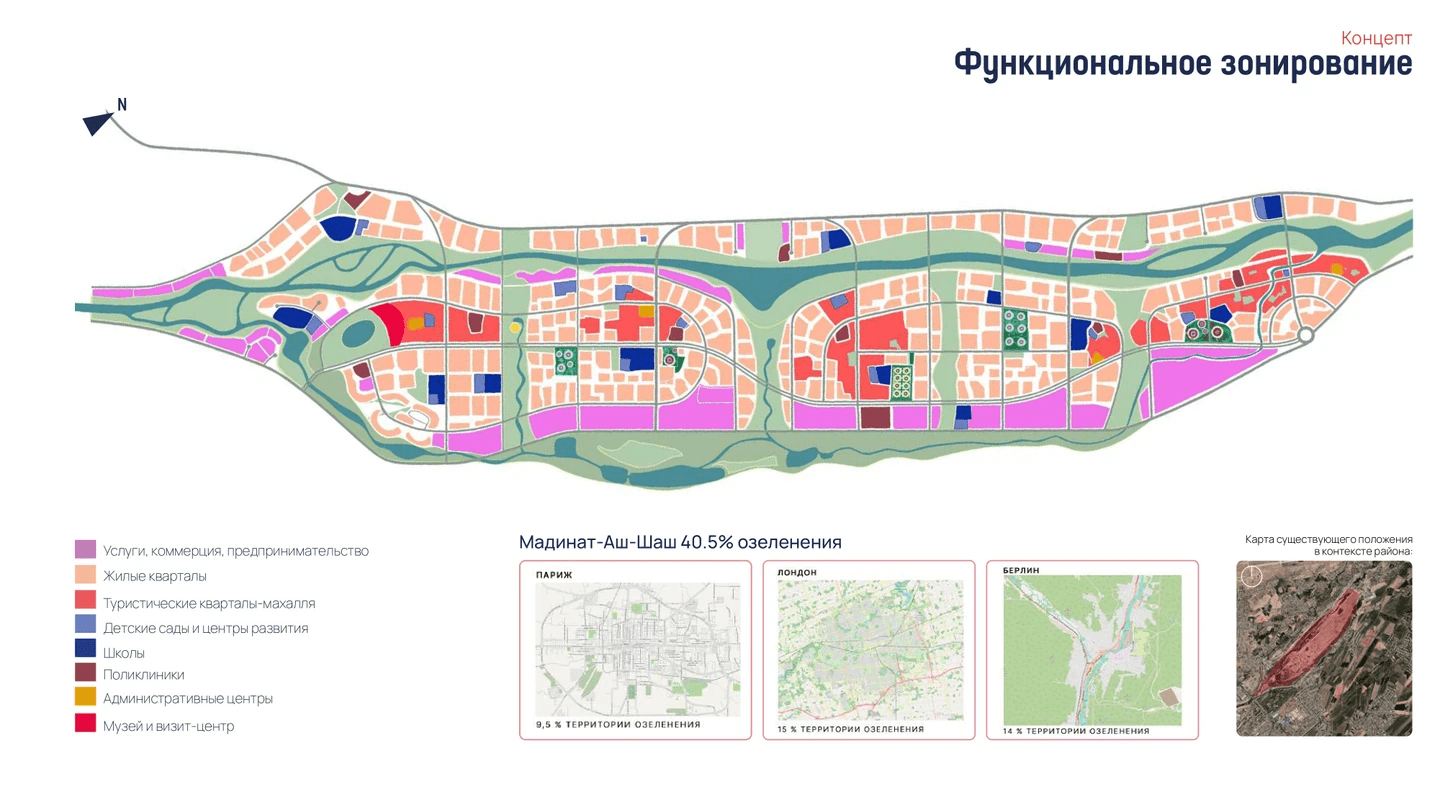
This natural framework is inextricably intertwined with the urban fabric. Narrow commercial streets, shady alleys, central parks, and arterial avenues with public transportation and cycling infrastructure provide essential urban connections. The street network and architecture are designed to ensure environmental and microclimate considerations. For example, a city with a chaotic grid is always cooler and more traditional, while a bright section reflects the scorching sun's rays.
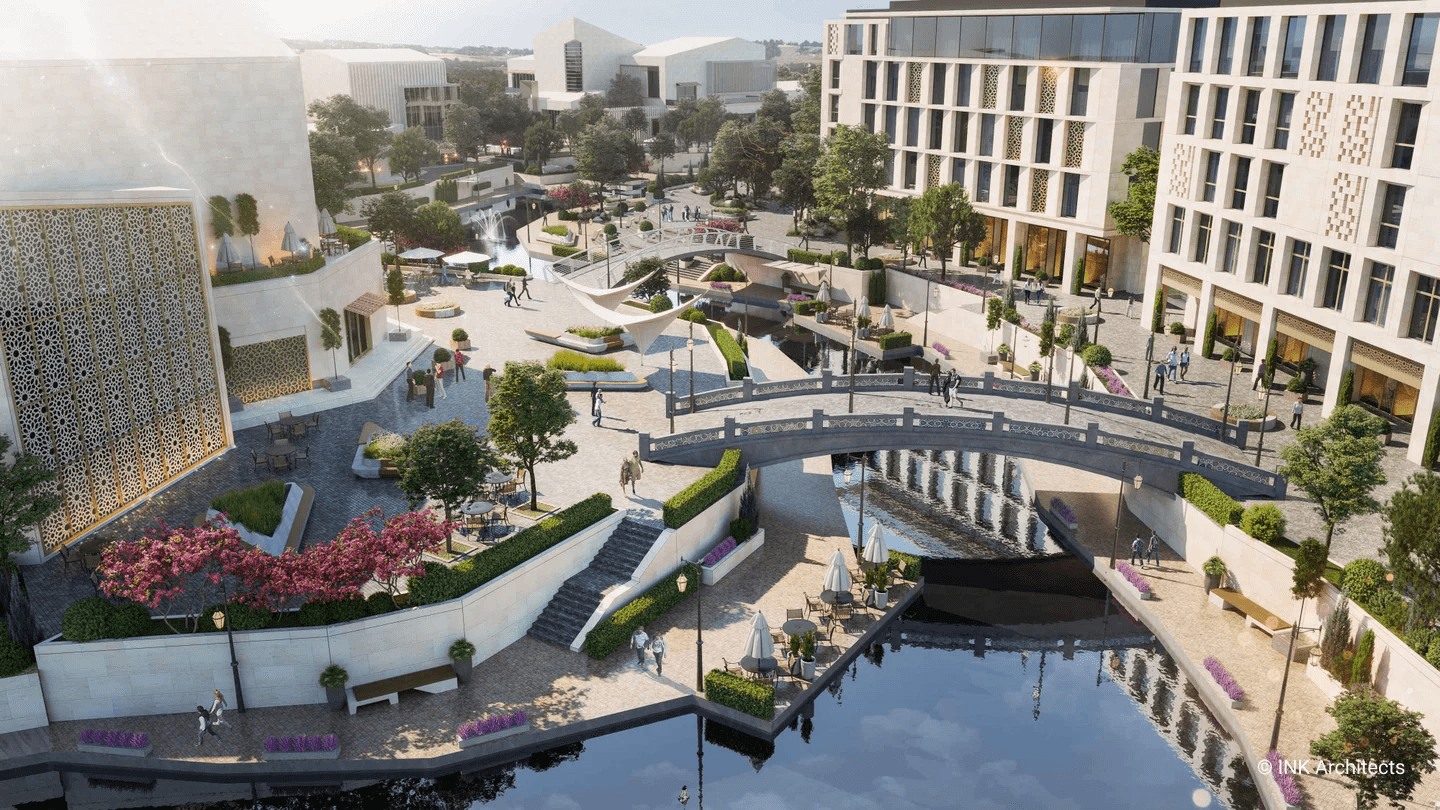
Water plays a crucial role in the city's culture, home to the largest number of fountains. To ensure comfort in this ubiquitous city, a system of irrigation ditches, a unique phenomenon dating back three millennia, has been implemented. This water network will help cool the streets, irrigate trees, and become a source of pride for city residents.
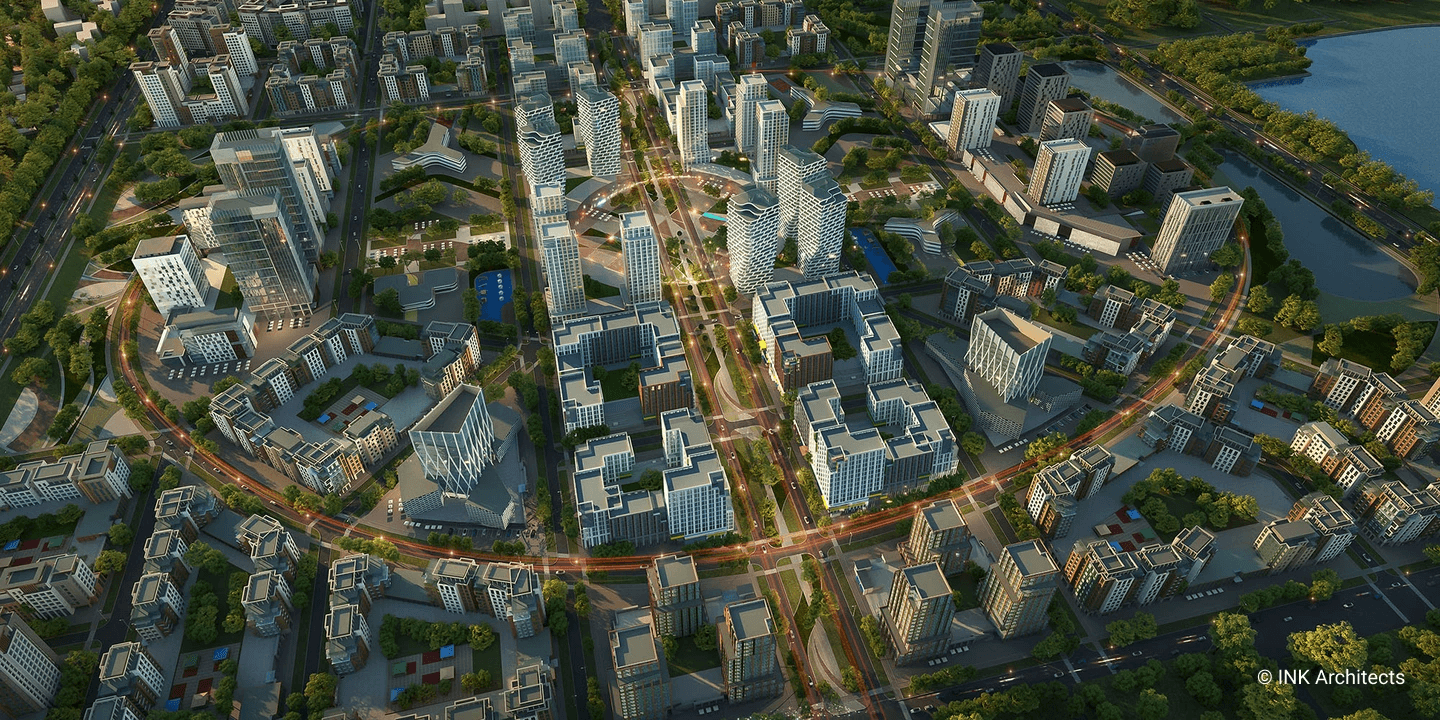
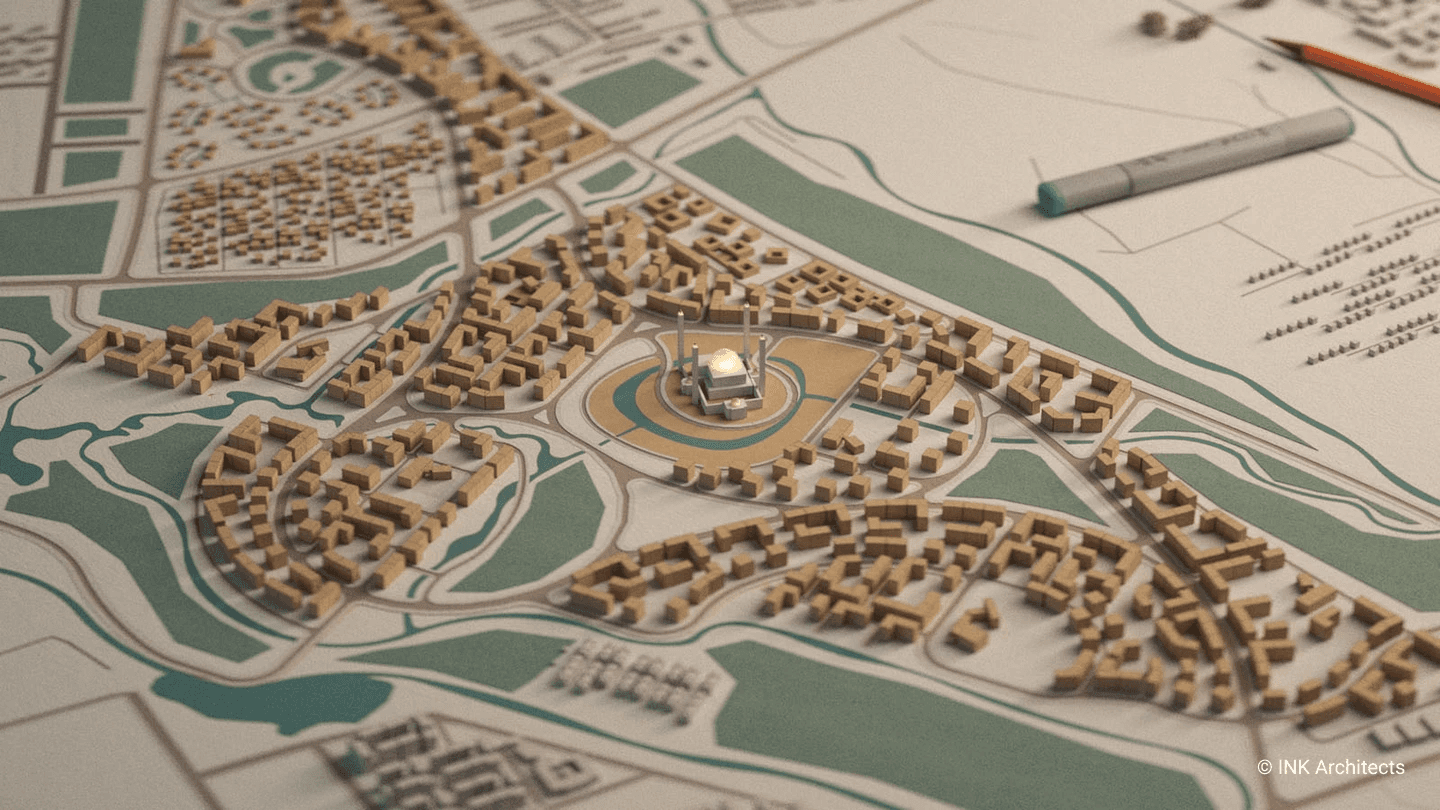
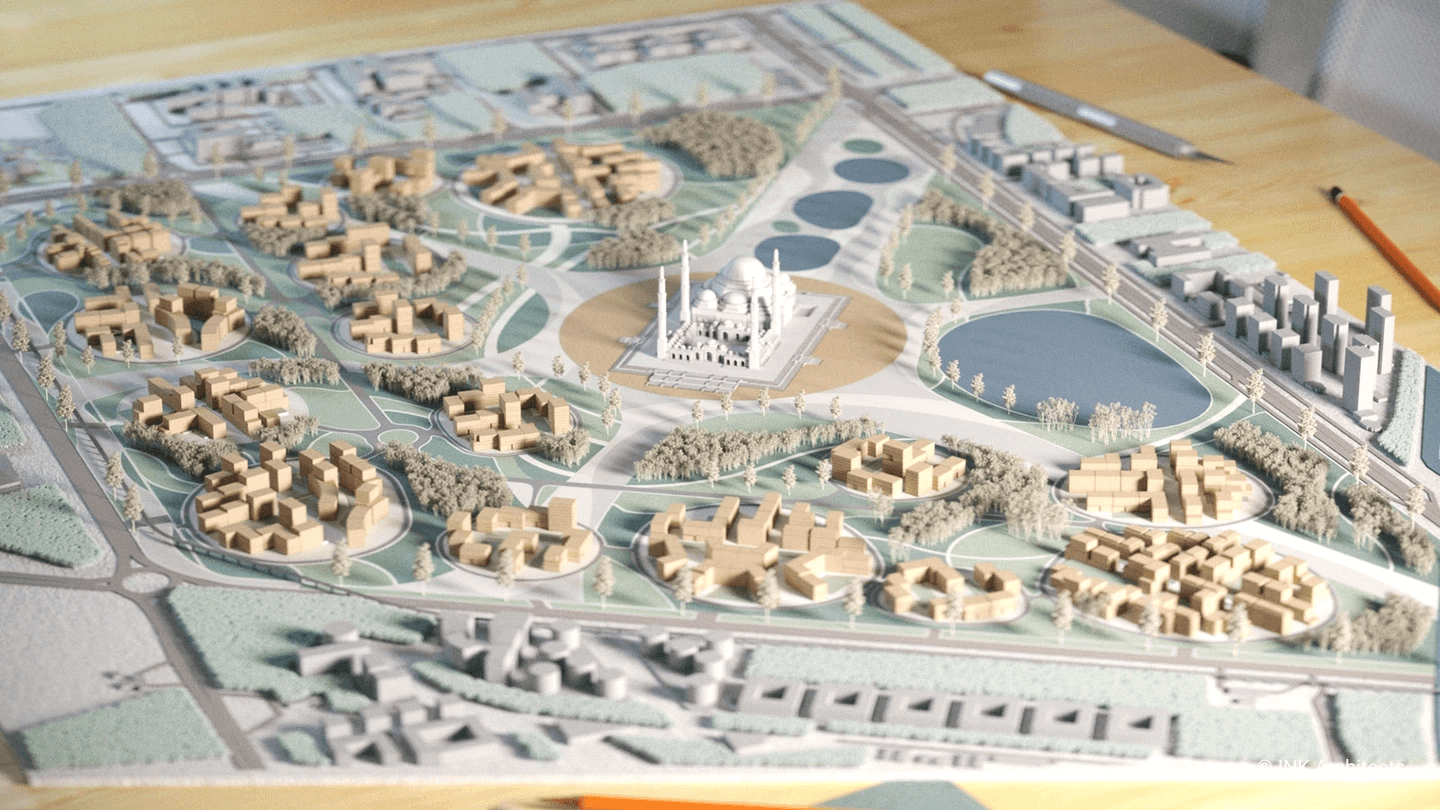
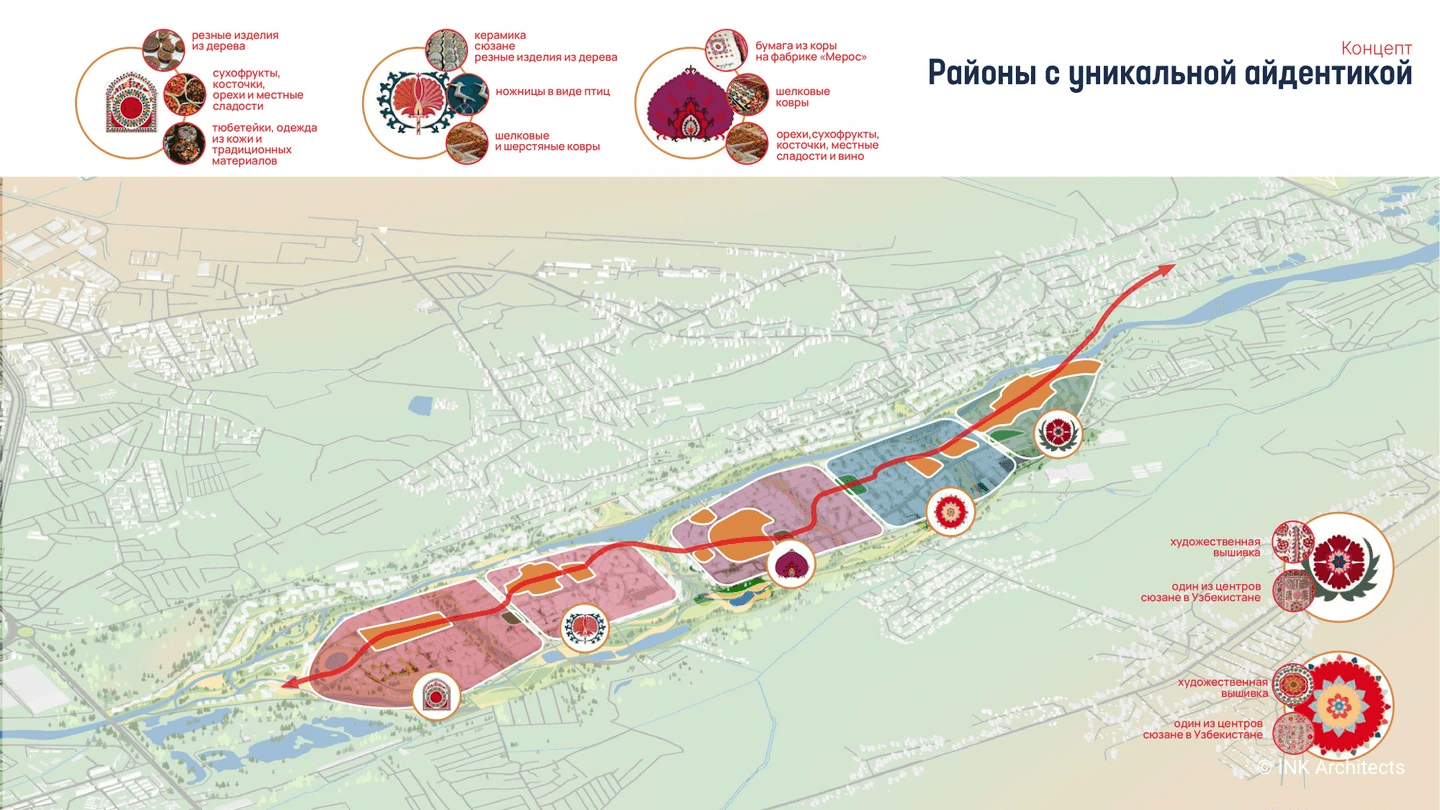
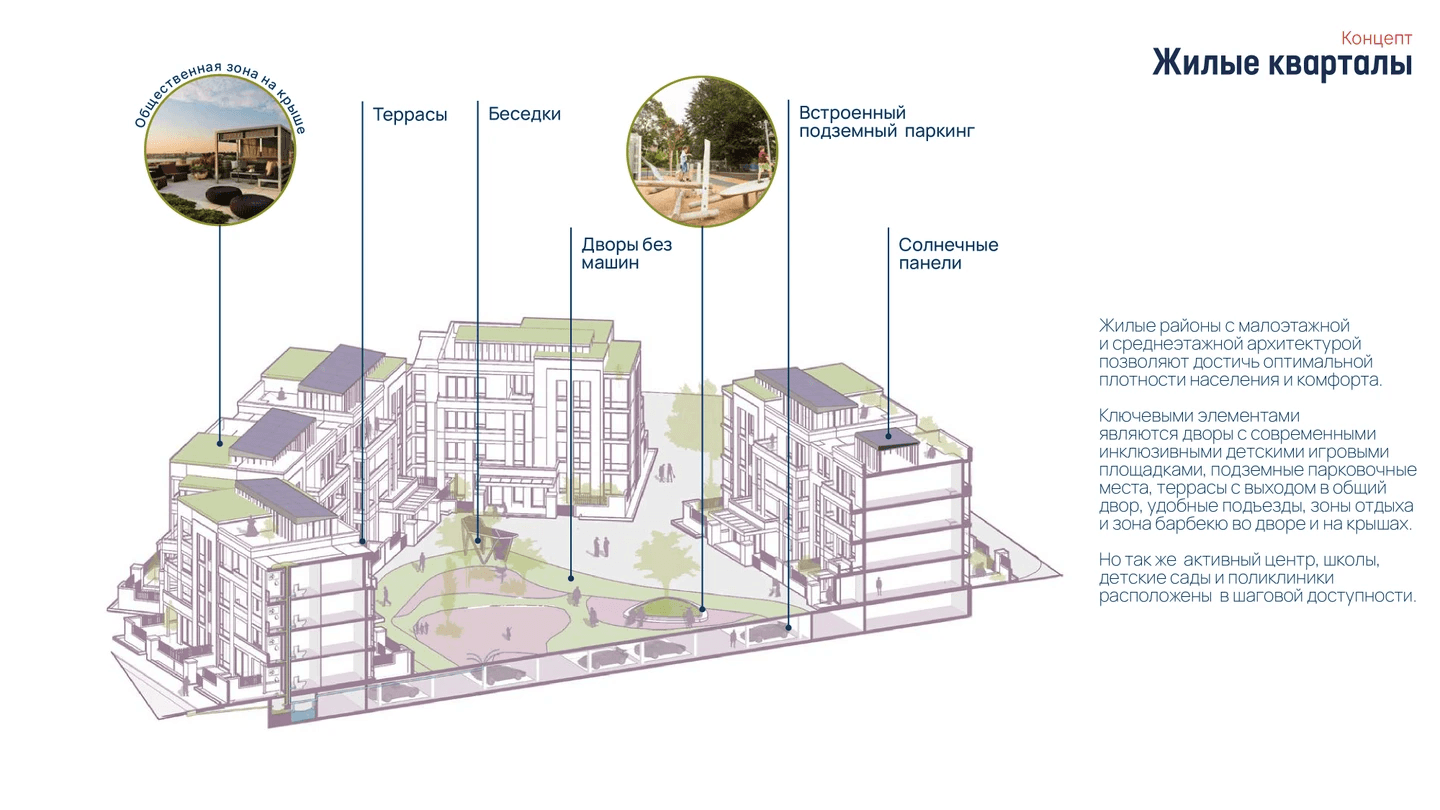
Echoing the river's natural axis, the main promenade connects neighborhoods named after cities along the Silk Road. Furthermore, the residential neighborhoods were inspired by the mahalla structure, which preserves centuries-old traditions, a culture of community, and mutual assistance. This unique social phenomenon has become a prominent international phenomenon and is included on the tentative list of UNESCO World Heritage Sites.
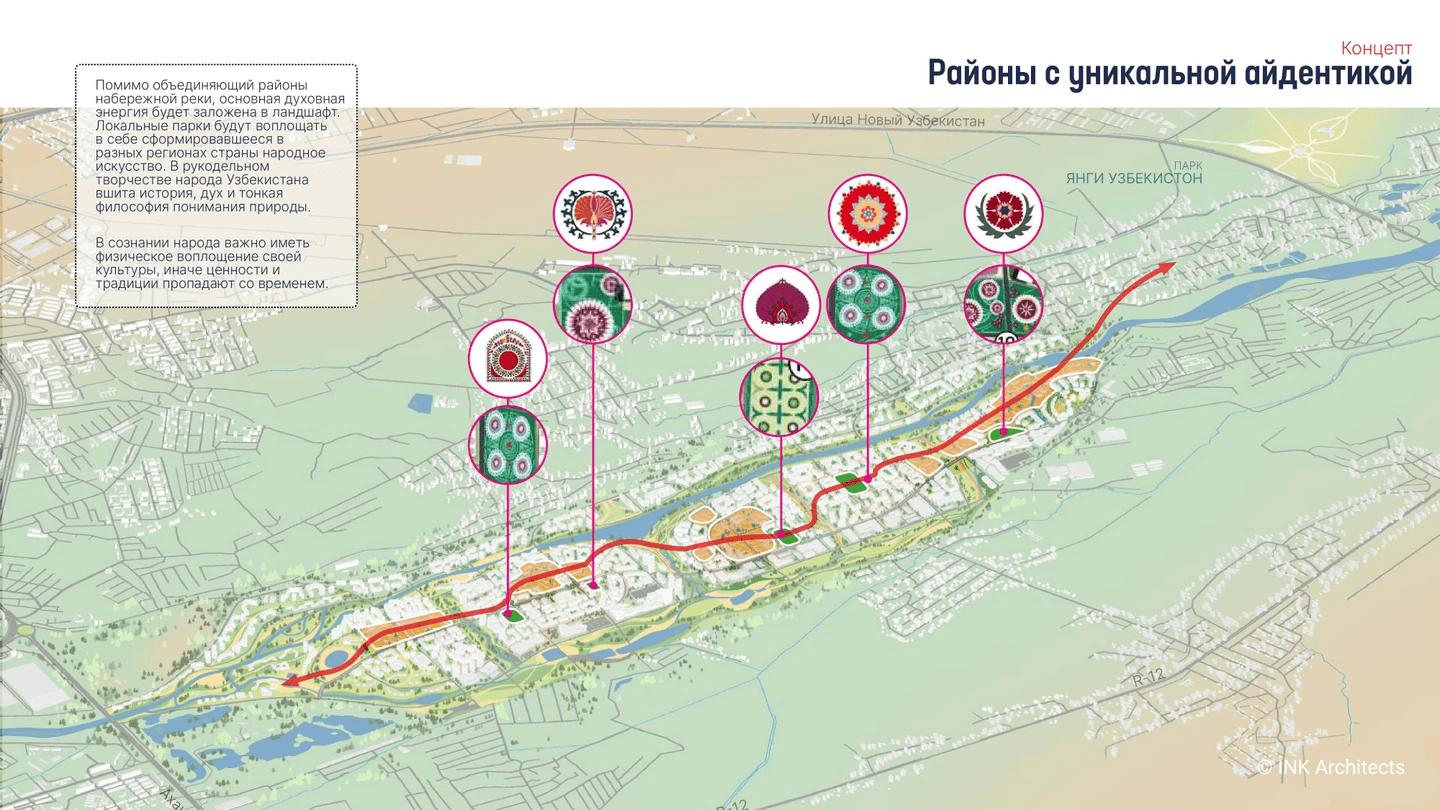
Each such small neighborhood will have a unique park, embodying the art that has evolved in various regions of the country. The handicrafts of the people of Uzbekistan are imbued with history, spirit, and a subtle understanding of order. Moreover, it's important to affirm the embodiment of one's culture in people's minds, whether at home or in the urban environment, otherwise, values and traditions will fade over time.
Tashkent is rapidly modernizing. Parks are spreading between rapidly growing neighborhoods. A special energy and national pride are drawn from its culture and history. Preserving traditions and striving for the future are what draw people to the capital, and therefore to the entire country.
The Chirchik River originates in the Tien Shan Mountains and flows into the Syr Darya. Settlements are drawn to it, and government moves along the river like precious stones. The jewel of this necklace is Tashkent, one of the most ancient and modern cities in Central Asia.
Here, along the river, in the place of quarries, oases, mahallas, iconic landmarks, and a rich landscape of symbolism are emerging, providing an opportunity to cultivate a new generation of talent and entrepreneurs and to fully realize Tashkent's tourism potential. These cities, their major transportation hubs, bring millions of visitors to cities and regions such as Khiva, the Fergana Valley, Samarkand, and Bukhara.
The fundamental goal of the master plan is to promote the spirit of Tashkent's ancient streets, with their abundance and diversity of flowers, colors, and cultural mosaics. The shapes of neighborhoods and curving, shady streets, the reinterpretation of historical architectural forms, and the incorporation of folk art—all this creates a unique fusion of modernity and antiquity, serving as a gateway to Central Asia.
The Chirchik River will serve as the main pedestrian artery, starting from Yangi Park of Uzbekistan and heading toward new districts in the south of Tashkent. The existing shallow riverbed will be transformed into a natural green belt with ponds, connected to the river through park arteries.
This natural framework is inextricably intertwined with the urban fabric. Narrow commercial streets, shady alleys, central parks, and arterial avenues with public transportation and cycling infrastructure provide essential urban connections. The street network and architecture are designed to ensure environmental and microclimate considerations. For example, a city with a chaotic grid is always cooler and more traditional, while a bright section reflects the scorching sun's rays.
Water plays a crucial role in the city's culture, home to the largest number of fountains. To ensure comfort in this ubiquitous city, a system of irrigation ditches, a unique phenomenon dating back three millennia, has been implemented. This water network will help cool the streets, irrigate trees, and become a source of pride for city residents.
Echoing the river's natural axis, the main promenade connects neighborhoods named after cities along the Silk Road. Furthermore, the residential neighborhoods were inspired by the mahalla structure, which preserves centuries-old traditions, a culture of community, and mutual assistance. This unique social phenomenon has become a prominent international phenomenon and is included on the tentative list of UNESCO World Heritage Sites.
Each such small neighborhood will have a unique park, embodying the art that has evolved in various regions of the country. The handicrafts of the people of Uzbekistan are imbued with history, spirit, and a subtle understanding of order. Moreover, it's important to affirm the embodiment of one's culture in people's minds, whether at home or in the urban environment, otherwise, values and traditions will fade over time.
Tashkent is rapidly modernizing. Parks are spreading between rapidly growing neighborhoods. A special energy and national pride are drawn from its culture and history. Preserving traditions and striving for the future are what draw people to the capital, and therefore to the entire country.
The Chirchik River originates in the Tien Shan Mountains and flows into the Syr Darya. Settlements are drawn to it, and government moves along the river like precious stones. The jewel of this necklace is Tashkent, one of the most ancient and modern cities in Central Asia.
Here, along the river, in the place of quarries, oases, mahallas, iconic landmarks, and a rich landscape of symbolism are emerging, providing an opportunity to cultivate a new generation of talent and entrepreneurs and to fully realize Tashkent's tourism potential. These cities, their major transportation hubs, bring millions of visitors to cities and regions such as Khiva, the Fergana Valley, Samarkand, and Bukhara.
The fundamental goal of the master plan is to promote the spirit of Tashkent's ancient streets, with their abundance and diversity of flowers, colors, and cultural mosaics. The shapes of neighborhoods and curving, shady streets, the reinterpretation of historical architectural forms, and the incorporation of folk art—all this creates a unique fusion of modernity and antiquity, serving as a gateway to Central Asia.
The Chirchik River will serve as the main pedestrian artery, starting from Yangi Park of Uzbekistan and heading toward new districts in the south of Tashkent. The existing shallow riverbed will be transformed into a natural green belt with ponds, connected to the river through park arteries.
This natural framework is inextricably intertwined with the urban fabric. Narrow commercial streets, shady alleys, central parks, and arterial avenues with public transportation and cycling infrastructure provide essential urban connections. The street network and architecture are designed to ensure environmental and microclimate considerations. For example, a city with a chaotic grid is always cooler and more traditional, while a bright section reflects the scorching sun's rays.
Water plays a crucial role in the city's culture, home to the largest number of fountains. To ensure comfort in this ubiquitous city, a system of irrigation ditches, a unique phenomenon dating back three millennia, has been implemented. This water network will help cool the streets, irrigate trees, and become a source of pride for city residents.
Echoing the river's natural axis, the main promenade connects neighborhoods named after cities along the Silk Road. Furthermore, the residential neighborhoods were inspired by the mahalla structure, which preserves centuries-old traditions, a culture of community, and mutual assistance. This unique social phenomenon has become a prominent international phenomenon and is included on the tentative list of UNESCO World Heritage Sites.
Each such small neighborhood will have a unique park, embodying the art that has evolved in various regions of the country. The handicrafts of the people of Uzbekistan are imbued with history, spirit, and a subtle understanding of order. Moreover, it's important to affirm the embodiment of one's culture in people's minds, whether at home or in the urban environment, otherwise, values and traditions will fade over time.
Tashkent is rapidly modernizing. Parks are spreading between rapidly growing neighborhoods. A special energy and national pride are drawn from its culture and history. Preserving traditions and striving for the future are what draw people to the capital, and therefore to the entire country.
The Chirchik River originates in the Tien Shan Mountains and flows into the Syr Darya. Settlements are drawn to it, and government moves along the river like precious stones. The jewel of this necklace is Tashkent, one of the most ancient and modern cities in Central Asia.
Here, along the river, in the place of quarries, oases, mahallas, iconic landmarks, and a rich landscape of symbolism are emerging, providing an opportunity to cultivate a new generation of talent and entrepreneurs and to fully realize Tashkent's tourism potential. These cities, their major transportation hubs, bring millions of visitors to cities and regions such as Khiva, the Fergana Valley, Samarkand, and Bukhara.
The fundamental goal of the master plan is to promote the spirit of Tashkent's ancient streets, with their abundance and diversity of flowers, colors, and cultural mosaics. The shapes of neighborhoods and curving, shady streets, the reinterpretation of historical architectural forms, and the incorporation of folk art—all this creates a unique fusion of modernity and antiquity, serving as a gateway to Central Asia.
The Chirchik River will serve as the main pedestrian artery, starting from Yangi Park of Uzbekistan and heading toward new districts in the south of Tashkent. The existing shallow riverbed will be transformed into a natural green belt with ponds, connected to the river through park arteries.
This natural framework is inextricably intertwined with the urban fabric. Narrow commercial streets, shady alleys, central parks, and arterial avenues with public transportation and cycling infrastructure provide essential urban connections. The street network and architecture are designed to ensure environmental and microclimate considerations. For example, a city with a chaotic grid is always cooler and more traditional, while a bright section reflects the scorching sun's rays.
Water plays a crucial role in the city's culture, home to the largest number of fountains. To ensure comfort in this ubiquitous city, a system of irrigation ditches, a unique phenomenon dating back three millennia, has been implemented. This water network will help cool the streets, irrigate trees, and become a source of pride for city residents.
Echoing the river's natural axis, the main promenade connects neighborhoods named after cities along the Silk Road. Furthermore, the residential neighborhoods were inspired by the mahalla structure, which preserves centuries-old traditions, a culture of community, and mutual assistance. This unique social phenomenon has become a prominent international phenomenon and is included on the tentative list of UNESCO World Heritage Sites.
Each such small neighborhood will have a unique park, embodying the art that has evolved in various regions of the country. The handicrafts of the people of Uzbekistan are imbued with history, spirit, and a subtle understanding of order. Moreover, it's important to affirm the embodiment of one's culture in people's minds, whether at home or in the urban environment, otherwise, values and traditions will fade over time.
Tashkent is rapidly modernizing. Parks are spreading between rapidly growing neighborhoods. A special energy and national pride are drawn from its culture and history. Preserving traditions and striving for the future are what draw people to the capital, and therefore to the entire country.
Other Projects